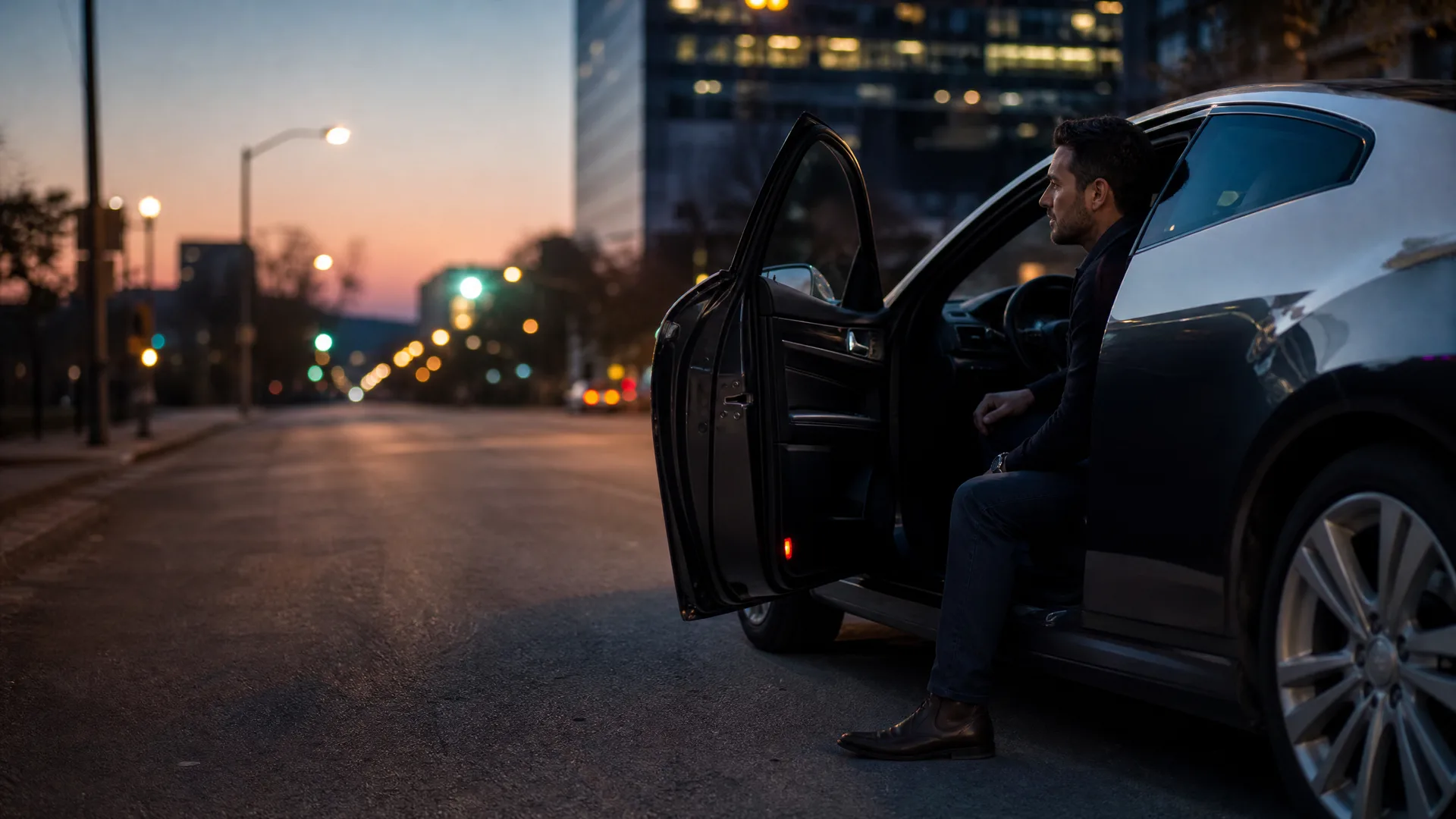
Caught Driving Uninsured on a Borrowed Car: Who Pays?
Find Coverage After a Traffic ViolationInsurance follows the car—but the citation follows the driver
If you were cited for driving uninsured while operating someone else's vehicle, the traffic violation appears on your driving record, not the car owner's. The fine, court costs, and any license suspension penalties are your responsibility as the driver cited.
The vehicle owner faces a separate problem: their car was operated without active insurance coverage, which can trigger registration suspension, impoundment fees, or reinstatement requirements depending on state law. In most states, the registered owner is legally responsible for maintaining continuous insurance on the vehicle regardless of who drives it.
This creates split liability. You handle the citation and any SR-22 filing requirement that follows. The owner handles registration compliance and any insurance lapse penalties tied to the vehicle's VIN. Neither party's obligation cancels out the other's.
What happens if the car owner had insurance but you weren't listed
If the vehicle owner maintained an active policy but you weren't listed as a driver, liability depends on whether you had permissive use coverage under their policy. Most personal auto policies extend liability coverage to permissive drivers—people the owner allowed to borrow the car—but this varies by carrier and policy language.
The officer who cited you doesn't verify permissive use at the roadside. They check state registration databases for an active policy linked to the VIN. If the system shows no active coverage, you receive the citation regardless of whether the owner's policy would have covered you.
After the stop, the owner can provide proof of insurance to the court, which may result in citation dismissal if coverage was active and you qualified as a permissive driver. This doesn't happen automatically—you must request a hearing and the owner must submit documentation showing the policy was active on the citation date and that you were authorized to drive the vehicle.
SR-22 filing responsibility stays with the cited driver
If your state requires SR-22 filing after an uninsured motorist citation, that obligation attaches to your driver's license, not the vehicle owner. You must obtain an SR-22 policy in your own name and maintain it for the state-mandated period—typically three years from the conviction date.
The vehicle owner is not required to file SR-22 unless they were also cited or their registration was suspended due to the lapse. SR-22 is a driver compliance tool, not a vehicle compliance tool. States use it to monitor high-risk drivers, and the citation created that designation under your license number.
You cannot satisfy SR-22 requirements by being added to someone else's policy as a listed driver. The filing must show you as the named insured with continuous coverage. If you don't own a vehicle, you'll need a non-owner SR-22 policy, which provides liability coverage when you drive borrowed or rental cars.

See Who Will Insure You After a Ticket
Find Coverage After a Traffic ViolationHow insurance surcharges split between driver and owner
If the vehicle owner's policy was active and covered you as a permissive driver, any claim filed during your drive appears on their policy history. Most carriers allow one or two permissive-use incidents before requiring the frequent borrower to be added as a rated driver, which increases the owner's premium.
The citation itself—driving uninsured—triggers a surcharge on your insurance when you obtain coverage, not the owner's policy. Carriers classify uninsured motorist violations as major violations, typically increasing premiums 30–60% for three to five years depending on state and carrier tier rules.
If you caused an accident while driving uninsured, the vehicle owner's carrier may subrogate against you to recover claim payouts, especially if you weren't covered under permissive use provisions. This creates a financial liability separate from the citation: you owe the carrier directly for damages their policy shouldn't have covered.

State-specific penalties for uninsured operation of a borrowed vehicle
Penalties vary significantly by state. In California, the cited driver faces a fine ranging from $100 to $200 plus penalty assessments, and the DMV may suspend the driver's license until proof of insurance is filed. The vehicle owner faces separate registration suspension if the car wasn't insured, requiring a $14 reinstatement fee after coverage is restored.
In Florida, the driver cited loses their license for up to three years and must pay a $150 reinstatement fee plus file SR-22 for three years. The vehicle owner's registration is suspended for up to three years, and reinstatement requires proof of insurance for the previous three years or payment of a $500 uninsured motorist fee.
Texas imposes a fine up to $1,000 on the driver and suspends the license until SR-22 is filed. The vehicle owner faces registration suspension and must pay a $260 reinstatement fee. Michigan adds Driver Responsibility Fees—$200 per year for two years—on top of the base citation fine, paid by the driver, not the owner.
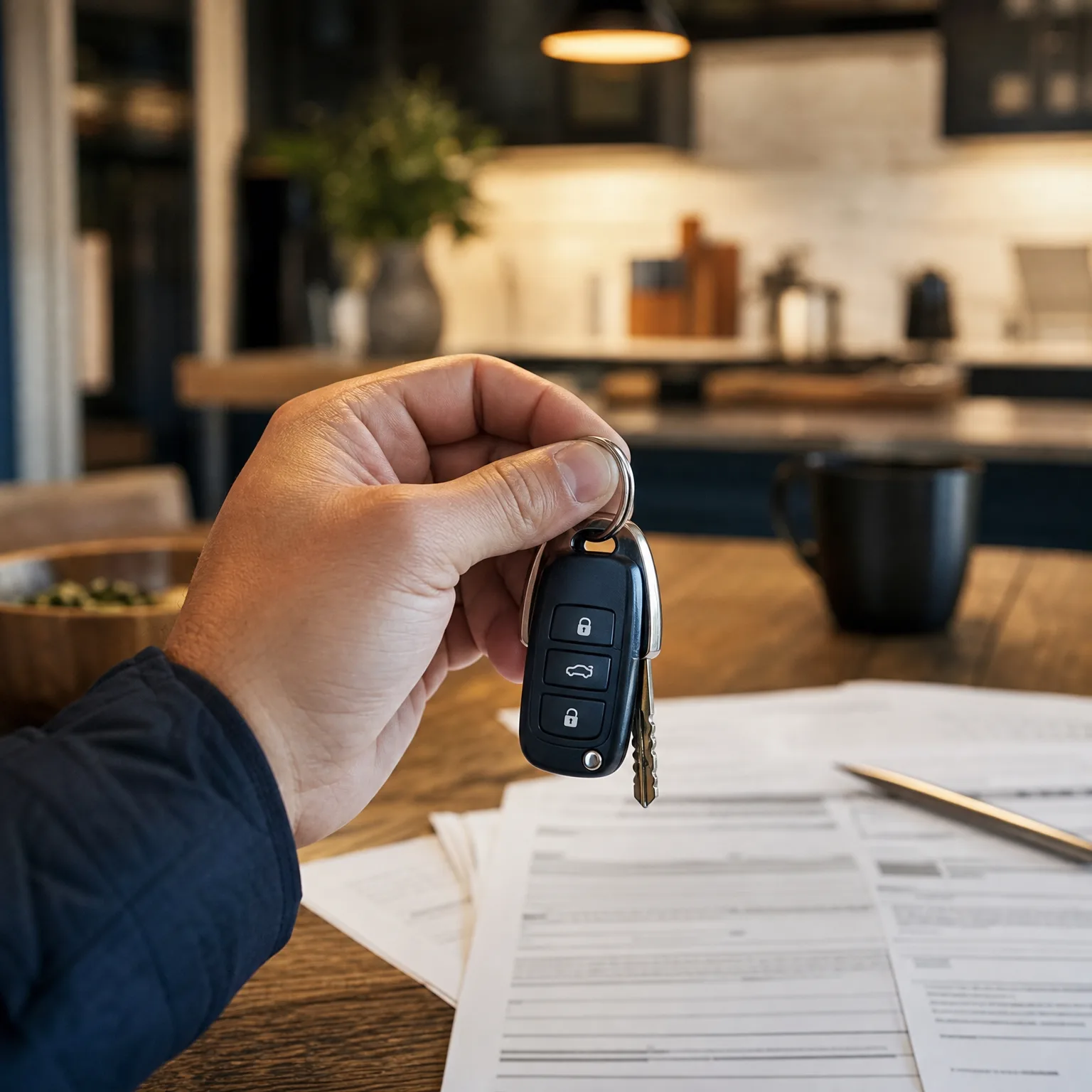
What to do immediately after being cited
Obtain insurance in your own name within 24 hours of the citation, even if you don't own a vehicle. Carriers issue non-owner policies that satisfy SR-22 filing requirements and demonstrate financial responsibility to the court. Delaying coverage increases penalties—many states add daily fines or extend suspension periods for every day you remain uninsured after citation.
Request a court hearing if the vehicle owner had active insurance that covered you as a permissive driver. Bring the owner's declarations page showing the policy was active on the citation date and a signed statement from the owner confirming they gave you permission to drive. Some states dismiss the citation entirely if permissive use is proven; others reduce it to a lesser violation.
If SR-22 filing is required, purchase the policy before your court date. Filing proof of insurance at the hearing can reduce fines or prevent license suspension in states that treat proof of financial responsibility as a mitigating factor. The court won't dismiss the violation, but documented compliance before conviction reduces penalties in most jurisdictions.
Frequently Asked Questions
Can the car owner's insurance cover my citation if I was driving with permission?
The car owner's insurance may cover liability for accidents you caused while driving with permission, but it does not pay your citation fine or eliminate the traffic violation from your record. If the owner had active coverage and you qualified as a permissive driver, you can request a court hearing to challenge the uninsured motorist charge—some states dismiss the citation if proof of coverage is provided.
Do I need SR-22 if the car I was driving belonged to someone else?
Yes, if your state requires SR-22 filing after an uninsured motorist citation, that obligation attaches to your driver's license regardless of vehicle ownership. You must obtain an SR-22 policy in your own name—if you don't own a car, you'll need a non-owner SR-22 policy that provides liability coverage when you drive borrowed or rental vehicles.
Will the vehicle owner's insurance rates go up because I was cited?
If the owner's policy covered you as a permissive driver and no claim was filed, most carriers do not surcharge the owner's premium for your citation. If you caused an accident and a claim was filed under their policy, the owner will see a surcharge at renewal—permissive-use claims typically increase premiums 20–40% depending on claim severity and the carrier's tier rules.
Can I be sued by the car owner for getting their vehicle impounded?
Yes, if your uninsured operation led to vehicle impoundment and the owner incurred towing, storage, and reinstatement fees, they can sue you in small claims court to recover those costs. Impoundment fees in most states range from $150 to $500 plus daily storage charges, and courts generally assign financial responsibility to the driver who caused the impoundment through violation of insurance laws.
What happens if the car owner didn't have insurance and I didn't know?
You are still liable for the citation—drivers are legally required to verify insurance status before operating any vehicle, and lack of knowledge is not a defense under most state traffic codes. The vehicle owner faces separate penalties for allowing uninsured operation of their vehicle, but their violation does not eliminate yours. Both parties are cited independently under most state statutes.
Related Articles
Uninsured at Traffic Stop: Penalties & Next Steps
5/17/2026
Caught Uninsured at Accident Scene: What Happens Next
5/17/2026
Uninsured Driving Penalties by State: Fines & SR-22
5/17/2026
Uninsured At-Fault Accident: Full Personal Liability
5/17/2026
Uninsured at License Renewal: Insurance Rate Impact
5/17/2026
How Long Does Uninsured Driving Affect Insurance Rates
5/17/2026