
Cheapest Non-Owner SR-22: Filing-Only Path Without a Car
Find Coverage After a Traffic ViolationWhat Non-Owner SR-22 Insurance Actually Covers
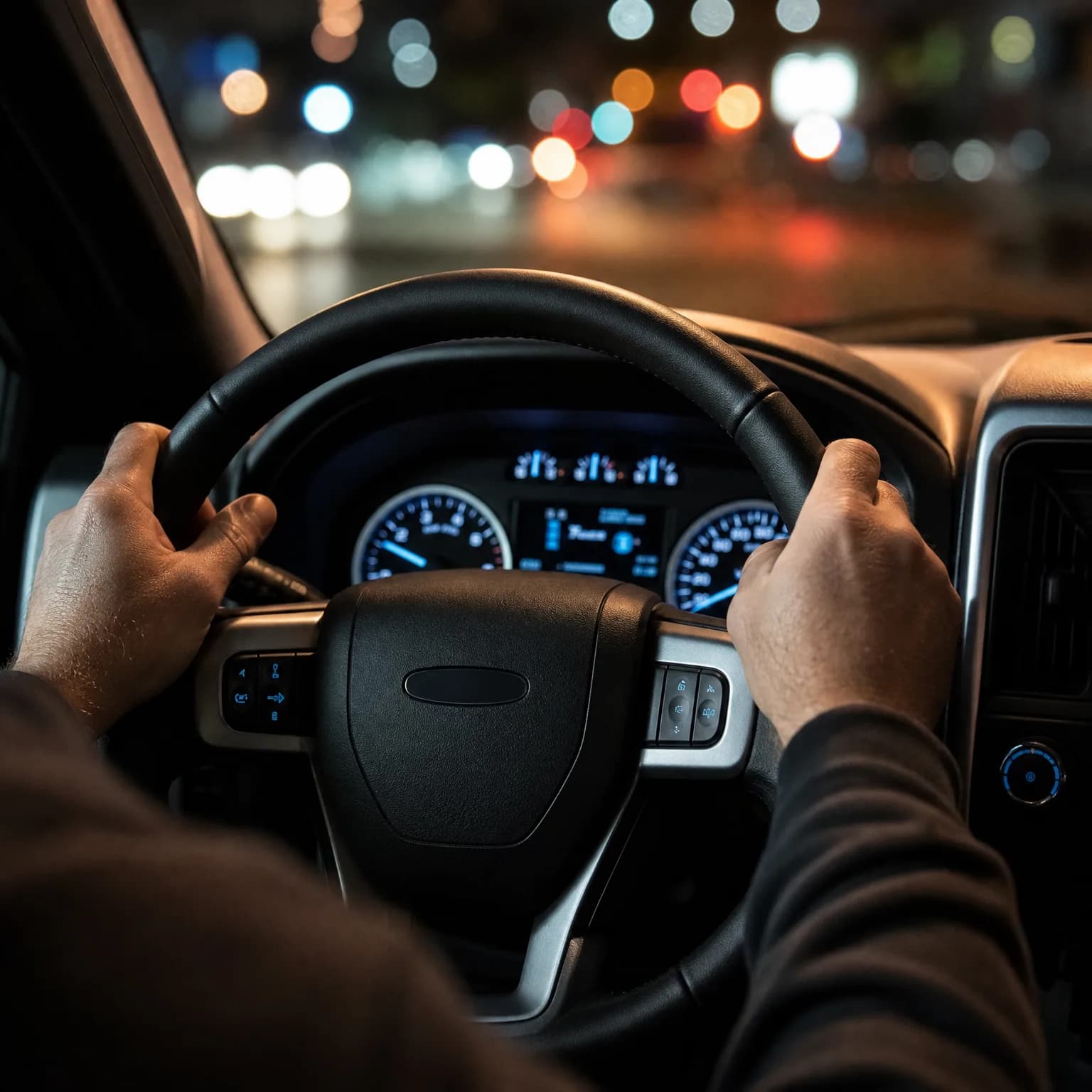
Non-owner SR-22 provides state minimum liability coverage when you drive a vehicle you don't own, plus the SR-22 certificate your state requires for license reinstatement after suspension. The policy covers bodily injury and property damage you cause while driving someone else's car, a rental, or a borrowed vehicle. It does not cover damage to the vehicle you're driving or your own injuries.
The SR-22 filing itself is a certificate your insurer submits to your state DMV proving you carry continuous liability coverage. Your state doesn't care whether you own a vehicle — it only requires proof that you're insured at the state minimum level. Non-owner policies satisfy this requirement at lower cost because they eliminate collision, comprehensive, and vehicle-specific underwriting.
Most carriers charge $15-$35 filing fees upfront when they submit your SR-22, then monthly premiums of $25-$50 depending on your state minimums and violation history. This compares to $80-$150/month for standard SR-22 policies that include vehicle coverage. The price difference reflects the absence of physical damage risk.
When Non-Owner SR-22 Makes Financial Sense
You need non-owner SR-22 if your license is suspended, your state requires SR-22 filing for reinstatement, and you don't own a registered vehicle in your name. This scenario applies to drivers who use public transit, borrowed cars, rentals, or ride-sharing but need proof of insurance to satisfy DMV reinstatement conditions.
Buying standard SR-22 when you don't own a car means paying for collision and comprehensive coverage on a vehicle you don't have. Some suspended drivers list a family member's car on their policy to get SR-22, but this creates two problems: the family member's rates increase because you're now a listed driver, and you're paying for coverage duplicating what the vehicle owner already carries.
Non-owner policies also work for drivers between vehicles who need continuous coverage to avoid reinstatement penalties. Many states reset your SR-22 filing period if coverage lapses — a 30-day gap can add another full year to your requirement. Non-owner SR-22 keeps your filing active at minimal cost while you're not driving.
How to Get the Lowest Non-Owner SR-22 Rate
Non-owner SR-22 rates vary more by carrier than by violation type. Progressive, The General, and Bristol West write non-owner policies in most states and quote competitively for high-risk drivers. State Farm and GEICO offer non-owner coverage but typically price higher for SR-22 filers. Smaller regional carriers and non-standard insurers often beat national brands by 20-40% on non-owner SR-22.
Your state's liability minimums directly determine base cost. California requires 15/30/5 coverage, producing $30-$45/month non-owner SR-22 premiums for most drivers. Florida's 10/20/10 minimums run $25-$40/month. Michigan's no-fault system pushes non-owner SR-22 to $60-$90/month even without vehicle coverage because personal injury protection is mandatory.
Request quotes from at least three carriers that explicitly write non-owner SR-22 in your state. Many agents default to standard policies because commission is higher. Ask specifically: "What is your non-owner SR-22 rate for state minimum liability?" This forces the quote to exclude vehicle coverage. Some carriers require a phone call to quote non-owner policies because their online systems assume vehicle information.

See Who Will Insure You After a Ticket
Find Coverage After a Traffic ViolationNon-Owner SR-22 Filing Process and Timing
The carrier files your SR-22 electronically with your state DMV within 24-48 hours of policy activation in most states. You receive a policy ID card and a filing confirmation, but the DMV processes the SR-22 separately from your payment. Processing time ranges from same-day digital confirmation in states like Ohio and Texas to 7-10 business days in California and Florida where paper filings still occur.
Your license reinstatement eligibility depends on three things aligning: your suspension period ending, your SR-22 filing showing active in the DMV system, and any reinstatement fees paid. The SR-22 alone doesn't reinstate your license — it satisfies the insurance requirement so you can apply for reinstatement. If your suspension included a mandatory waiting period, your SR-22 must be filed and remain active during that entire period.
Letting non-owner SR-22 lapse triggers an SR-26 cancellation notice from your carrier to the DMV. Most states suspend your license again within 10-30 days of receiving the SR-26 and restart your SR-22 clock from zero. A $30/month lapse can cost you another full year of filing requirements plus a second round of reinstatement fees. Set up automatic payments and verify your policy remains active monthly.

What Happens When You Buy a Vehicle Later
When you purchase and register a vehicle while holding non-owner SR-22, you must convert to a standard policy and transfer your SR-22 filing to the new policy. Most carriers allow mid-term conversion — you call, add the vehicle, and they file an updated SR-22 with the new policy number. Your filing period continues uninterrupted as long as no coverage gap occurs between the non-owner cancellation and the standard policy effective date.
The rate increase from non-owner to standard SR-22 depends on the vehicle you add. Financing a new car requires full coverage, which means adding collision and comprehensive on top of liability and SR-22. Monthly costs typically jump from $35-$50 for non-owner to $120-$200 for financed full-coverage SR-22. Buying an older car outright and carrying liability-only keeps the increase smaller — often $60-$90/month total.
Some drivers keep non-owner SR-22 active and add a separate standard policy for the vehicle without SR-22. This doesn't work in most states because your SR-22 filing must attach to the policy covering the vehicle registered in your name. The DMV cross-references registration and insurance records — if your registered vehicle isn't on the policy showing SR-22, you're considered uninsured regardless of having a separate non-owner policy.

State-Specific Non-Owner SR-22 Variations
California allows non-owner SR-22 but requires proof you don't own a vehicle — some carriers ask for a signed statement or DMV records showing no registered vehicles in your name. Florida writes non-owner SR-22 through most carriers without vehicle ownership verification but mandates PIP coverage even on non-owner policies, adding $15-$25/month to base liability cost.
Virginia offers an alternative to SR-22 through its uninsured motorist fee program — you can pay the state $500 annually instead of buying insurance, but this doesn't provide liability coverage if you cause an accident while driving. Non-owner SR-22 in Virginia costs $30-$50/month and actually insures you, making it the safer financial choice for drivers who occasionally borrow vehicles.
Ohio and Texas process non-owner SR-22 filings within 24-48 hours digitally and allow immediate reinstatement once filing shows active. Michigan requires non-owner policies to include no-fault PIP, doubling the cost compared to liability-only states. Check your state's specific non-owner requirements before assuming national carrier quotes apply — state mandates override carrier defaults.
Frequently Asked Questions
Can I get non-owner SR-22 if I live with someone who owns a car?
Yes, but you must be explicitly excluded as a driver on the vehicle owner's policy or carry your own non-owner SR-22. Most carriers allow non-owner policies for household members as long as you're not a regular driver of the household vehicle and sign an exclusion form.
Does non-owner SR-22 cover me if I rent a car?
Non-owner SR-22 provides liability coverage when you drive a rental, but it doesn't cover damage to the rental vehicle itself. You'll still need to buy the rental company's collision damage waiver or use a credit card that covers rental damage.
How long do I need to keep non-owner SR-22 active?
Your SR-22 filing period is set by your state and violation type — typically 3 years for DUI and 1-3 years for other violations. The filing must remain continuous with no lapses. Canceling early restarts the clock from zero in most states.
What happens if I let my non-owner SR-22 policy lapse?
Your carrier files an SR-26 cancellation notice with the DMV, your license suspends again within 10-30 days, and most states restart your SR-22 filing period from the beginning. You'll also pay reinstatement fees a second time.
Is non-owner SR-22 cheaper than being added to someone else's policy?
Usually yes. Adding yourself as a driver to a family member's standard policy increases their premium 30-60% and still requires SR-22 filing on their policy. Non-owner SR-22 keeps your filing separate and costs $25-$50/month without affecting anyone else's rates.
Related Articles

Cheapest SR-22 Insurance: Real Cost Beyond the Quote
5/17/2026

Handle SR-22 When You Sell Your Only Vehicle
5/17/2026

Monthly SR-22 Insurance: Which Carriers Allow It
5/17/2026

Cheapest SR-22 After Reckless Driving
7/4/2026

Lapsed Insurance Citation: Rate & SR-22 Cost Reality
5/17/2026

PA SR-22 After Uninsured Driving: Cost & Requirements
5/17/2026