
Ohio BMV After OVI: What the ALS Hearing Actually Decides
Find Coverage After a Traffic ViolationWhat the Administrative License Suspension Hearing Decides
The ALS hearing determines whether the BMV can suspend your license based solely on the traffic stop evidence—breath test refusal, failed BAC test, or officer testimony. It does not decide guilt for the OVI charge. That happens later in criminal court.
The hearing examiner reviews whether the officer had reasonable suspicion to stop you, probable cause to arrest you, and whether you refused the test or registered above 0.08% BAC. If the examiner finds the stop valid and the test result or refusal documented, your license suspends for 90 days to 3 years depending on refusal status and prior offenses.
This administrative suspension begins before your criminal case concludes. Most drivers assume winning the criminal case reverses the ALS suspension—it doesn't. The two tracks use different evidence standards and reach separate outcomes. A criminal acquittal leaves the administrative suspension intact unless you win the ALS hearing specifically.
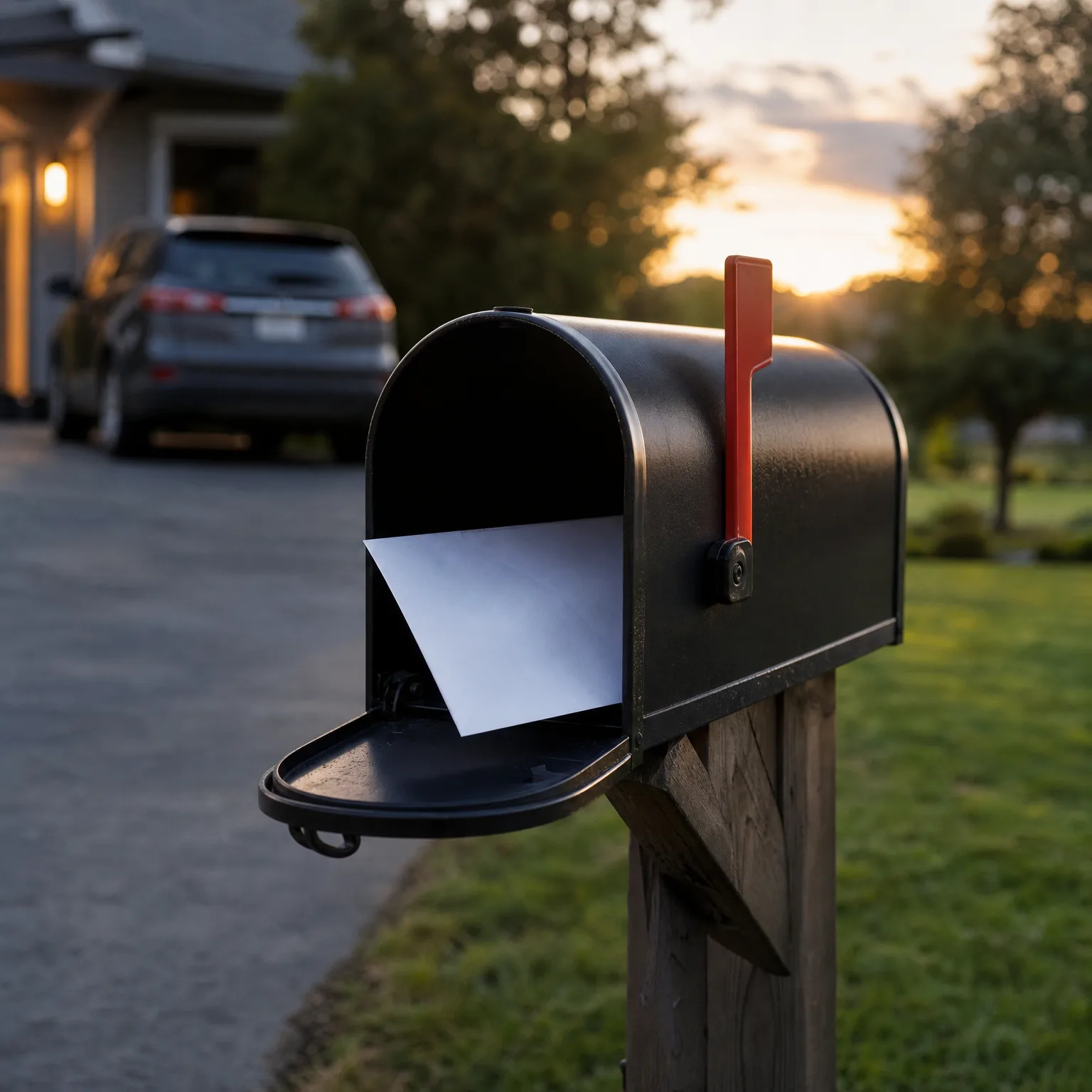
ALS Hearing Timeline and How It Affects Insurance Pricing
Ohio law requires the ALS hearing within 30 days of your arrest if you request it. If you don't request a hearing within 30 days of receiving the suspension notice, the suspension takes effect automatically with no appeal opportunity.
Insurance carriers receive BMV suspension notifications within 10-15 days of the hearing decision through automated reporting systems. Your next renewal—typically 30-180 days after the hearing depending on your policy anniversary—reflects the suspension surcharge even if your criminal case hasn't reached trial yet.
Carriers classify ALS suspensions into administrative violation tiers that trigger 35-60% premium increases for suspension durations under 1 year, and 70-110% increases for refusal-based suspensions lasting 1-3 years. These surcharges apply for 3-5 years from the suspension start date at most carriers, independent of whether your criminal OVI charge results in conviction, reduction, or dismissal.

Refusal vs. Failed Test: Which Suspension Costs More
Refusing the breath test triggers a 1-year ALS suspension for first offenses. Taking the test and registering 0.08% BAC or higher results in a 90-day suspension. Most drivers refuse thinking it helps their criminal defense—it doubles the administrative suspension term and creates a higher insurance surcharge.
Carriers treat refusal as a severe violation signal. The 1-year suspension duration moves the incident into major violation territory at carriers that tier by suspension length, triggering surcharges 40-55% higher than failed-test suspensions in the same risk class.
Refusal also eliminates eligibility for SR-22 occupational driving privileges during the first 15 days of suspension. Failed-test suspensions allow immediate occupational privileges filing. For drivers who need to commute to work, the refusal penalty compounds through both insurance cost and employment accessibility.
Winning the ALS Hearing: What It Takes and What It Prevents
Winning the ALS hearing requires proving the officer lacked reasonable suspicion for the stop, lacked probable cause for arrest, failed to advise you properly of testing consequences, or documented the test procedure incorrectly. The hearing examiner applies preponderance of evidence—a lower standard than criminal court's beyond reasonable doubt.
If you win, the BMV cancels the administrative suspension entirely. Your license remains valid and no suspension appears on your driving record for insurance reporting purposes. Carriers never receive notification of the arrest or hearing because the BMV closes the administrative action with no penalty.
Most drivers lose ALS hearings. BMV data shows hearing examiners uphold 75-80% of ALS suspensions statewide. Officers attend hearings with dash cam footage, calibration logs, and arrest documentation that meets administrative evidence standards even when criminal prosecutors consider the case weak. The hearing focuses narrowly on stop procedure and test administration, not whether you were actually impaired.

See Who Will Insure You After a Ticket
Find Coverage After a Traffic Violation
How Criminal Case Outcomes Interact With ALS Insurance Penalties
A criminal OVI conviction after losing the ALS hearing adds a second surcharge layer at most carriers. The administrative suspension surcharge continues for its original 3-5 year term, and the conviction triggers an additional major violation surcharge that runs 3-5 years from the conviction date.
If you lose the ALS hearing but win the criminal case through dismissal or reduction to reckless operation, most carriers continue the administrative suspension surcharge through its full term. The conviction surcharge never applies, but you're still penalized for the suspension itself.
Carriers that classify violations by BMV action rather than court outcome treat the administrative suspension as the pricing event regardless of criminal results. State Farm, Nationwide, and Progressive all use suspension-based classification in Ohio risk models, meaning the ALS hearing result determines your rate tier more directly than your criminal verdict in most coverage scenarios.

Occupational Driving Privileges and SR-22 Filing Requirements
Ohio allows occupational driving privileges during ALS suspensions if you file SR-22 proof of insurance, pay the $475 reinstatement fee, and demonstrate employment or medical necessity. The privileges allow driving to work, school, medical appointments, and court-ordered programs within specified hours.
SR-22 filing costs $15-50 depending on carrier, but the real cost appears in your premium. Carriers add 10-25% to your base rate for SR-22 status on top of the suspension surcharge, creating a combined increase of 50-85% for most first-offense failed-test suspensions and 85-135% for refusal suspensions.
Some carriers refuse to file SR-22 for OVI-related suspensions. GEICO, Travelers, and Erie commonly non-renew Ohio policies after ALS suspensions rather than file SR-22, forcing you into non-standard markets where premiums run 90-180% higher than standard rates. Finding SR-22 coverage before your occupational privileges deadline becomes the immediate financial priority after losing an ALS hearing.
What Happens If You Don't Request the ALS Hearing
If you don't request the hearing within 30 days, the suspension begins automatically on day 31. You lose the opportunity to challenge the stop procedure, test administration, or officer probable cause. The suspension runs its full term with no appeal.
Insurance carriers receive the suspension notification regardless of whether you requested a hearing. The surcharge applies the same whether you contested the suspension and lost or accepted it by default. Skipping the hearing saves the $40 filing fee but forfeits the only procedural path that prevents the administrative penalty entirely.
Most DUI defense attorneys request the ALS hearing automatically as part of case representation, but drivers who handle arraignment without counsel often miss the 30-day window. The BMV doesn't send reminders. The suspension notice you receive at arrest includes the request deadline, and that single document is your only notification.
Frequently Asked Questions
Does winning my criminal OVI case remove the ALS suspension from my record?
No. The ALS suspension and criminal OVI case are separate proceedings with independent outcomes. Winning the criminal case through acquittal or charge reduction does not reverse an ALS suspension you already lost. Only winning the ALS hearing itself prevents the administrative suspension from appearing on your BMV record.
How long does an ALS suspension stay on my driving record for insurance purposes?
The ALS suspension appears on your Ohio BMV record for 3 years from the suspension start date. Insurance carriers typically apply surcharges for 3-5 years depending on their violation lookback period, which varies by carrier. The suspension remains visible to insurers during that full term even if your driving privileges are reinstated earlier.
Can I get SR-22 insurance from my current carrier after an ALS suspension?
It depends on your carrier's underwriting rules for OVI-related suspensions. Some carriers file SR-22 and continue coverage with a surcharge. Others—including GEICO, Travelers, and Erie in most Ohio cases—non-renew policies after ALS suspensions and won't file SR-22, requiring you to find coverage in the non-standard market before your occupational privileges deadline.
What is the difference between an ALS hearing and my court date for OVI?
The ALS hearing is an administrative BMV proceeding that decides whether your license suspends based on the traffic stop and test results. Your court date addresses the criminal OVI charge and potential conviction, fines, or jail time. The ALS hearing happens first, uses a lower evidence standard, and determines insurance surcharges independently from your criminal case outcome.
If I refuse the breath test, can I still get occupational driving privileges?
Yes, but not for the first 15 days of your suspension. Ohio law imposes a hard 15-day no-drive period for test refusals before occupational privileges eligibility begins. Failed-test suspensions allow immediate occupational driving privileges upon SR-22 filing and reinstatement fee payment.
Related Articles

Georgia DDS After DUI: 30-Day Appeal Window Explained
5/17/2026
Request Hearing Before Suspension: State Deadlines
5/17/2026

Wisconsin DOT After OWI: Administrative Suspension
5/17/2026

Car Insurance After OVI in Ohio: Rates & SR-22
5/17/2026
Ohio License Reinstatement and SR-22 After Suspension
5/17/2026

Tennessee DOS ALR Hearing: DUI Administrative Process
5/17/2026