What Affects Rates in Anchorage
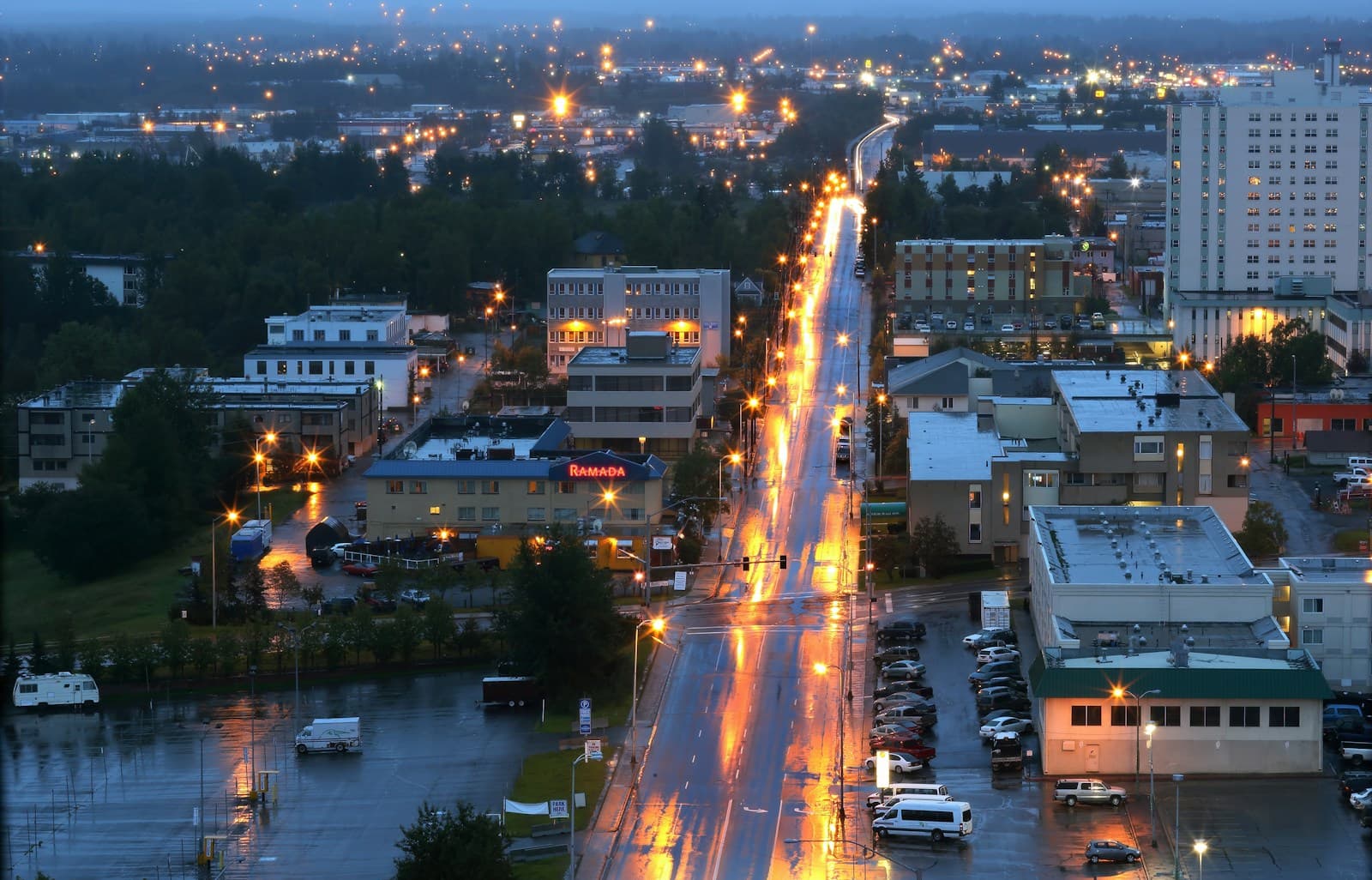
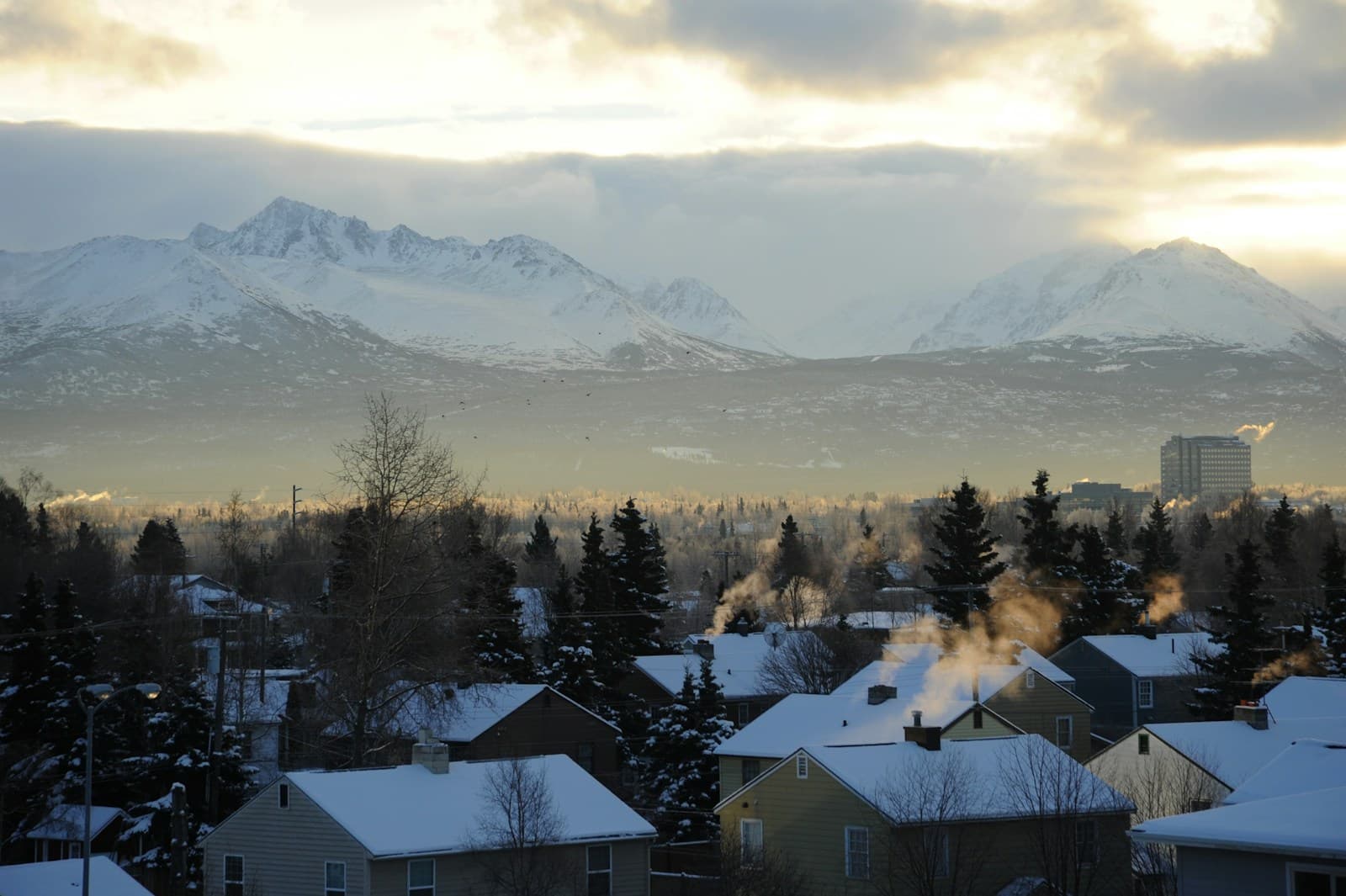
- Winter Driving Conditions: Anchorage averages 75 inches of snow annually, with icy roads from October through April increasing collision frequency. Insurers view high-risk drivers in snow-heavy markets as more likely to file claims during winter months, raising premiums 15–25% compared to temperate-climate cities.
- Limited Carrier Competition: Alaska's small population and geographic isolation mean fewer national carriers actively compete here, reducing options for high-risk drivers. Non-standard carriers like Progressive, GAINSCO, and The General dominate the SR-22 market, with less price competition than in urban Lower 48 markets.
- High Uninsured Driver Rates: Alaska's uninsured motorist rate hovers around 14%, well above the national average of 12.6%. High-risk drivers already facing elevated premiums see additional costs for uninsured/underinsured motorist coverage, which is strongly recommended given collision risk with uninsured drivers.
- DUI Enforcement and Penalties: Alaska mandates SR-22 filing for DUI convictions, license suspensions, and repeat violations, with a three-year continuous coverage requirement. Any lapse triggers a new three-year period, and Anchorage's active DUI enforcement (checkpoints common on Glenn Highway and Seward Highway) means violations are frequently caught and reported.
- Urban Density and Accident Frequency: As Alaska's largest city, Anchorage concentrates 40% of the state's population in a relatively compact urban core, increasing traffic density on corridors like the Glenn Highway and Minnesota Drive. Higher accident frequency in urban areas elevates base rates for all drivers, with high-risk drivers seeing 2–3x multipliers on already-elevated urban premiums.
Find out exactly how long SR-22 is required in your state
Coverage Recommendations
Cost estimates are based on available industry data and vary by driver profile. These are not insurance quotes.
SR-22 Insurance
SR-22 is a certificate proving you carry Alaska's minimum liability limits ($50,000/$100,000/$25,000), filed by your insurer with the state for three years. In Anchorage, SR-22 liability policies from non-standard carriers typically cost $150–$350/month depending on violation type and driving history.
$150–$350/mo liabilityEstimated range only. Not a quote.
Liability Insurance
Alaska requires 50/100/25 minimum liability limits, but high-risk drivers in Anchorage should consider 100/300/50 or higher given the state's tort system and high cost of winter-related multi-vehicle accidents. Raising limits from minimum to 100/300/50 typically adds $30–$60/month but provides critical protection in at-fault collisions.
$30–$60/mo for higher limitsEstimated range only. Not a quote.
Full Coverage
Full coverage (liability + collision + comprehensive) for high-risk drivers in Anchorage typically runs $300–$600/month, with comprehensive essential for winter damage from ice, wildlife collisions (moose/caribou), and vehicle theft. Collision coverage becomes expensive post-violation but is required if you carry a loan or lease.
$300–$600/moEstimated range only. Not a quote.
Non-Standard Auto Insurance
Non-standard carriers like Progressive, GAINSCO, and The General specialize in high-risk drivers and dominate Anchorage's SR-22 market. These insurers accept DUIs, suspensions, and lapses but charge 50–150% more than standard market rates; shopping multiple non-standard carriers is critical to finding the lowest premium.
50–150% above standard ratesEstimated range only. Not a quote.