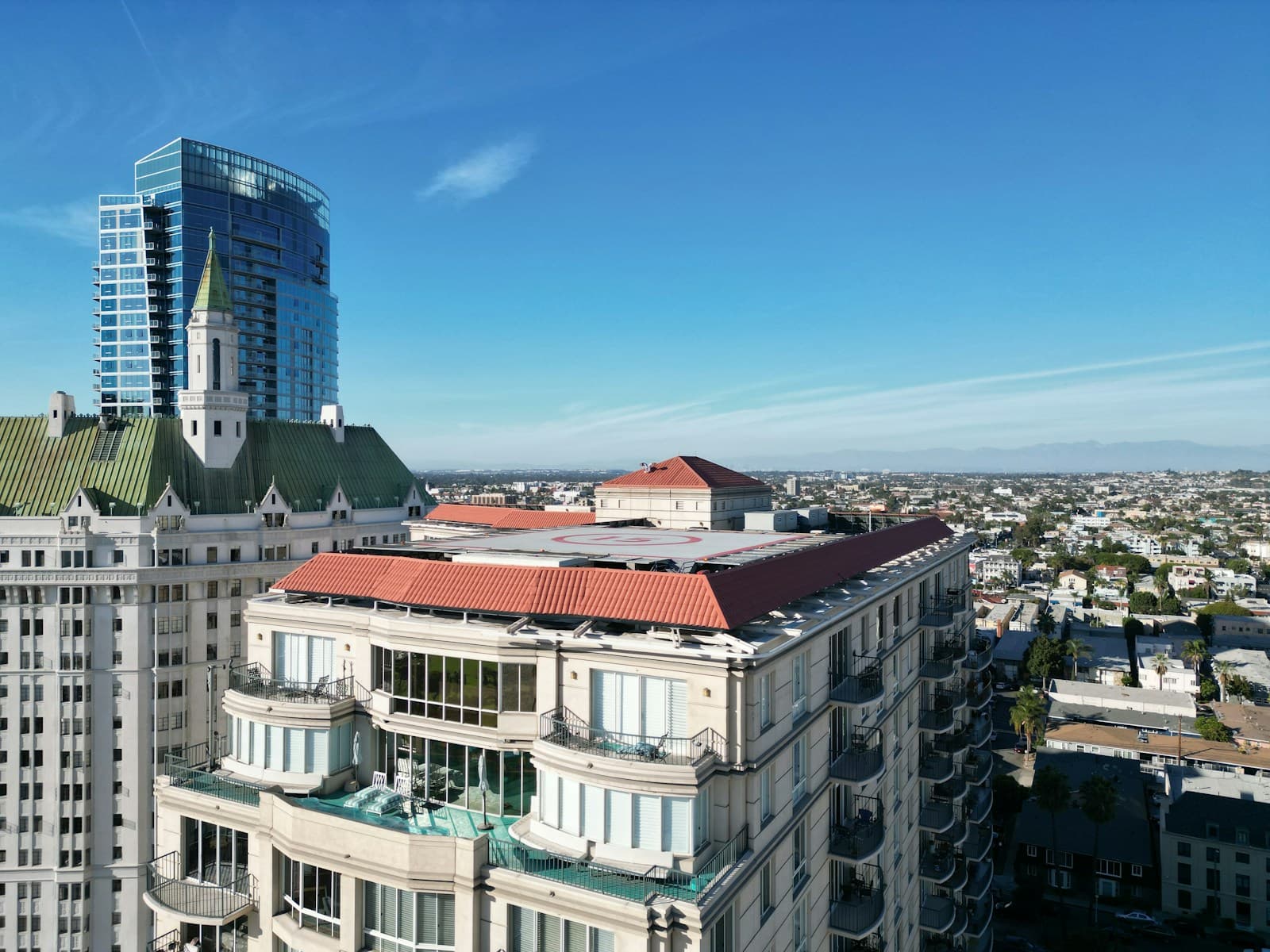
What Affects Rates in Long Beach
- I-405 and I-710 Corridor Density: Long Beach sits at the intersection of two of Southern California's most congested freeways, with daily bottlenecks near the port and downtown exits. High-risk drivers face steeper premiums here because accident frequency on these corridors raises insurer exposure in zip codes along the 405 and 710.
- Port of Long Beach Commercial Traffic: The nation's second-busiest container port generates constant heavy truck traffic through residential and commercial zones. Drivers with violations pay more because collision severity increases when passenger vehicles share routes with commercial trucks, particularly along Ocean Boulevard and Pier areas.
- Beach Community Uninsured Driver Concentration: Certain Long Beach neighborhoods show higher uninsured motorist rates than California's statewide average, particularly in census tracts east of the 710. High-risk drivers should carry uninsured motorist coverage because a second at-fault accident with an uninsured driver compounds rate increases.
- DMV Processing Through Carmichael Office: Long Beach SR-22 filings typically process through the California DMV's Southern California processing centers, with reinstatement delays of 7–14 days common during peak periods. Missing the filing deadline because of processing lag can extend your SR-22 period, so file immediately after your court date or suspension notice.
- Los Angeles County Court SR-22 Triggers: Long Beach courts operate under Los Angeles County Superior Court jurisdiction, where DUI convictions, reckless driving under CVC 23103, and certain suspended license violations trigger mandatory SR-22 filing. Your court paperwork will specify the SR-22 requirement and duration—bring this to your insurer the same day.
Find out exactly how long SR-22 is required in your state
Coverage Recommendations
Cost estimates are based on available industry data and vary by driver profile. These are not insurance quotes.
SR-22 Insurance
An SR-22 is a certificate your insurer files with the California DMV proving you carry at least 15/30/5 liability coverage. In Long Beach, non-standard carriers like The General, Bristol West, and Acceptance typically offer the most competitive SR-22 rates for drivers with DUIs or suspended licenses, often $100–$200/month less than standard carriers.
$150–$350/mo typical for Long Beach SR-22 filersEstimated range only. Not a quote.
Non-Standard Auto Insurance
Non-standard carriers specialize in high-risk profiles and often underwrite violations standard carriers decline. Long Beach drivers with multiple at-fault accidents, DUIs, or lapses longer than 60 days should quote non-standard carriers first—standard market quotes frequently come back 40–60% higher or as outright declinations.
$125–$300/mo for liability-only non-standardEstimated range only. Not a quote.
Liability Insurance
California requires 15/30/5 minimum liability, but Long Beach drivers with violations should consider 50/100/50 or 100/300/100 limits. A second at-fault accident while carrying minimum limits can expose you to personal asset seizure in this high-cost coastal market where medical and property damage claims routinely exceed $15,000.
$100–$250/mo for minimum limits with violationEstimated range only. Not a quote.
Full Coverage
Full coverage (liability plus collision and comprehensive) runs $200–$450/month for Long Beach high-risk drivers, but it's often required if you're financing a vehicle or have a lien. Collision coverage protects you in the dense stop-and-go traffic along Pacific Coast Highway and the 405, where rear-end and lane-change accidents are frequent.
$200–$450/mo for high-risk full coverageEstimated range only. Not a quote.