What Affects Rates in San Francisco
- Extreme Traffic Congestion: San Francisco's gridlock on corridors like Market Street, Van Ness, and the 101/280 interchanges increases accident frequency for high-risk drivers already under scrutiny. Insurers price in the elevated exposure: even minor at-fault incidents in dense traffic trigger disproportionate rate increases for drivers with DUIs or suspensions.
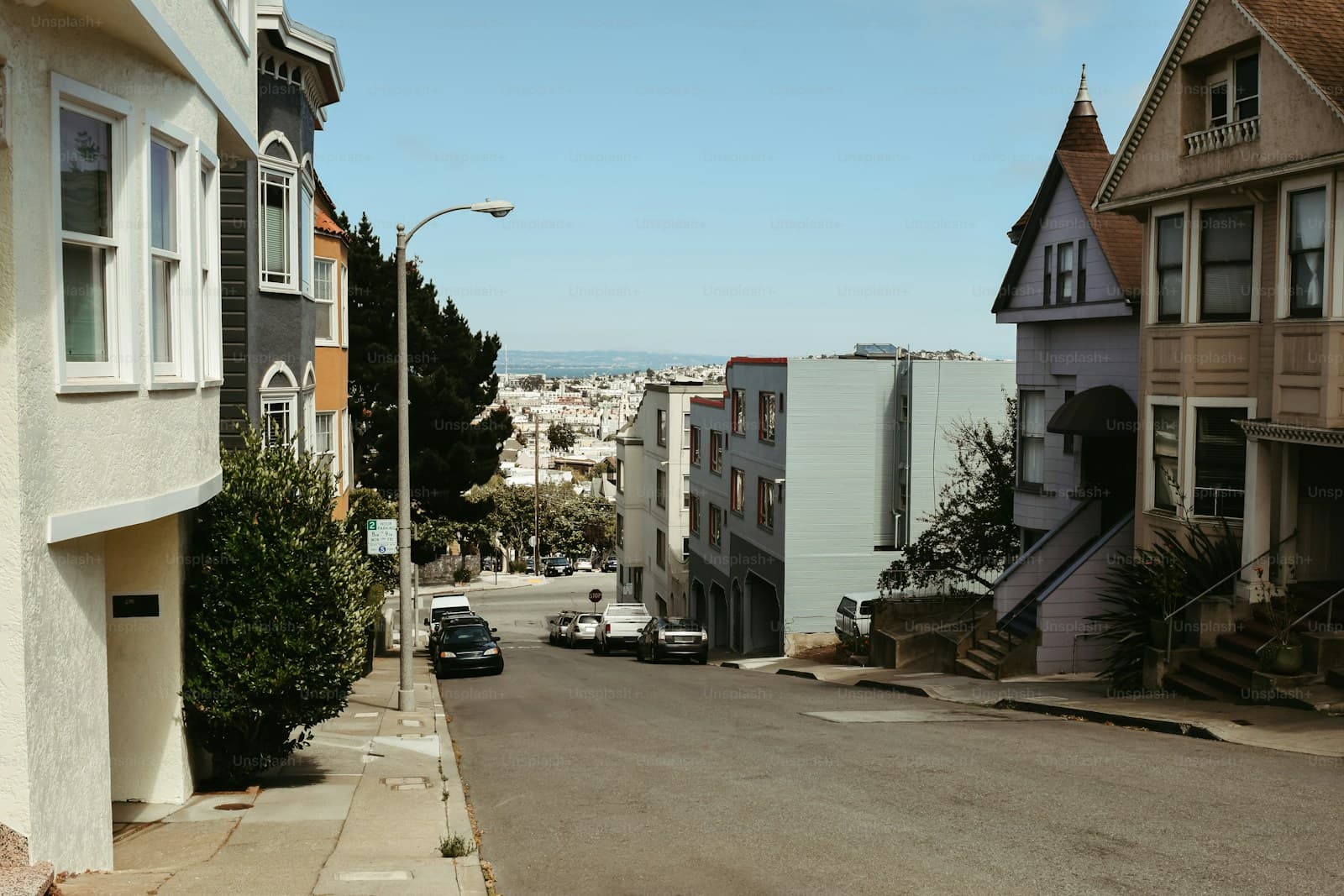
- Limited Parking and Street Conditions: The city's notorious parking scarcity and steep hill grades increase comprehensive claims for vandalism, theft, and rolling collisions. High-risk drivers paying for full coverage face $150–$280/month in comprehensive premiums alone, reflecting neighborhood-specific theft rates in areas like the Mission, Tenderloin, and SOMA.
- High Cost of Living Impact on Claims: San Francisco's repair costs, medical expenses, and rental car rates are among the highest in California. A single at-fault accident here generates larger liability claims than in suburban markets, prompting non-standard carriers to apply location surcharges of 20–35% over state baseline rates for drivers with violations.
- Public Transit Proximity and Reduced Mileage: Drivers in neighborhoods with strong Muni and BART access who drive fewer than 7,500 miles annually may qualify for low-mileage discounts even with SR-22 requirements. This can reduce premiums by 10–15%, though availability varies by carrier and violation severity.
- Neighborhood-Specific Risk Tiers: Insurers tier San Francisco by ZIP code: drivers in the Richmond or Sunset districts typically see lower high-risk rates than those in the Tenderloin or Bayview, where accident and theft rates push premiums 15–25% higher for the same violation profile.
Find out exactly how long SR-22 is required in your state
Coverage Recommendations
Cost estimates are based on available industry data and vary by driver profile. These are not insurance quotes.
SR-22 Insurance
California requires SR-22 filings for DUI convictions, reckless driving, driving without insurance, or license suspensions. In San Francisco, non-standard carriers like The General, Bristol West, and Acceptance dominate this market, filing electronically with the DMV and charging $25–$50 for the certificate itself.
$180–$350/mo liability minimumEstimated range only. Not a quote.
Liability Insurance
California's minimum liability limits are 15/30/5, but San Francisco's high accident costs make 100/300/100 advisable even for high-risk drivers. At minimum limits, expect $180–$280/month with an SR-22; upgrading to 100/300/100 adds $40–$80/month but protects against catastrophic exposure in this high-claim-cost city.
$180–$360/mo depending on limitsEstimated range only. Not a quote.
Non-Standard Auto Insurance
Non-standard carriers specialize in DUI, suspended license, and multiple-violation profiles that standard insurers decline. In San Francisco, these carriers account for 30–40% of the high-risk market, offering monthly payment plans and immediate SR-22 filing but at premiums 50–120% above standard rates.
$200–$450/mo full coverageEstimated range only. Not a quote.
Full Coverage
Liability plus comprehensive and collision coverage. For high-risk drivers in San Francisco, full coverage costs $280–$500/month, with comprehensive claims driven by the city's vehicle theft rates and collision exposure from congested streets and tight parking. Required if you're financing or leasing, even with an SR-22.
$280–$500/mo with violationsEstimated range only. Not a quote.