
What Affects Rates in Wilmington
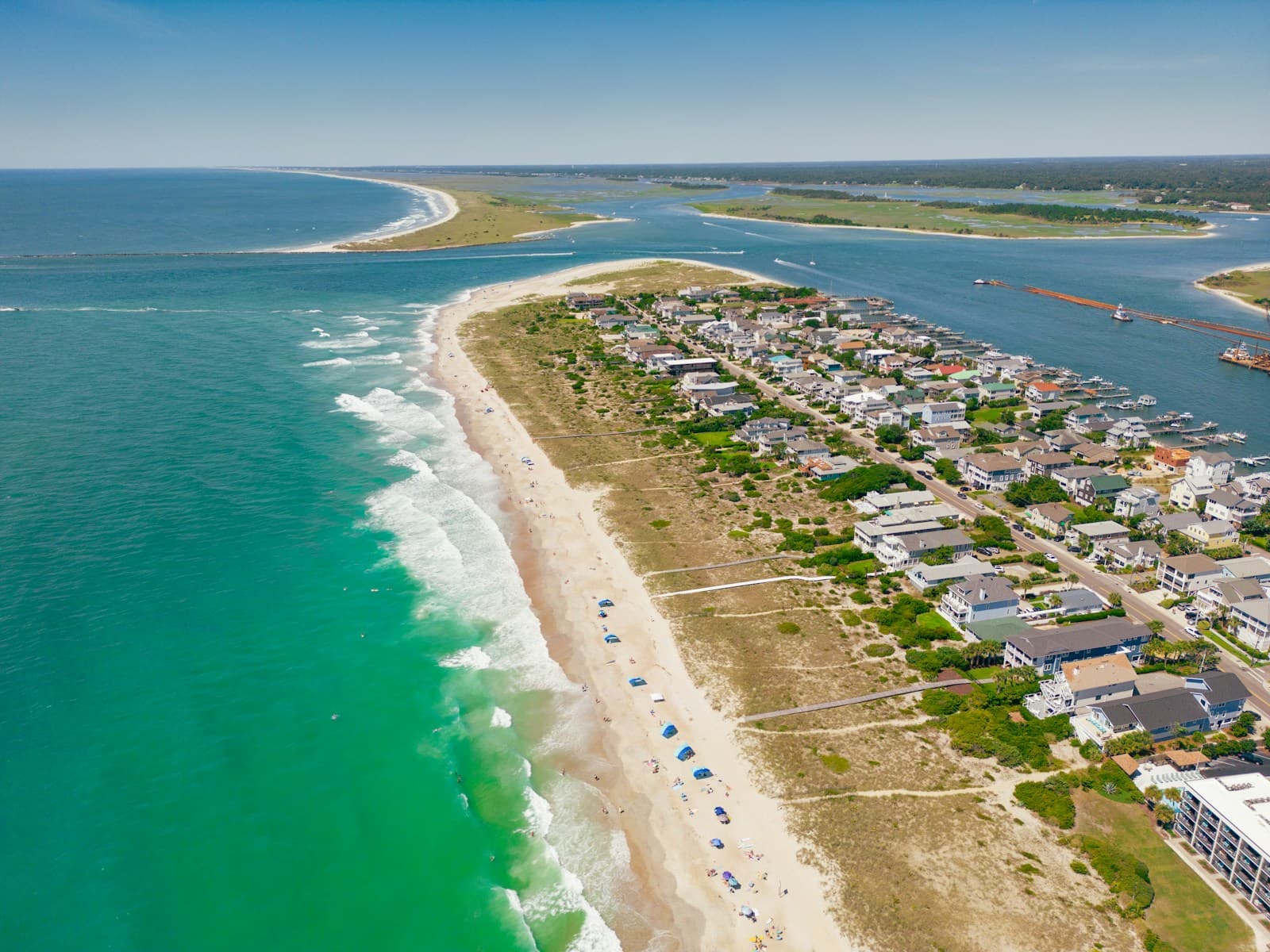
- Hurricane Exposure and Coastal Weather: Wilmington sits in a high-risk hurricane zone with frequent tropical storm activity, driving comprehensive coverage costs 10–25% higher than inland North Carolina cities for high-risk drivers. Carriers writing non-standard policies often apply coastal surcharges that compound existing violation-based increases.
- College Hill and Downtown Traffic Density: The UNCW campus area and downtown Wilmington concentrate younger drivers and nightlife-related DUI enforcement, creating collision hotspots that elevate rates for drivers with at-fault accidents or alcohol violations. High-risk drivers in the 28403 and 28401 ZIP codes typically see 5–15% higher premiums than suburban Wilmington addresses.
- Tourist Season Congestion: Summer beach traffic from Memorial Day through Labor Day increases accident frequency on Market Street, Eastwood Road, and bridges to Wrightsville Beach and Carolina Beach. Drivers with recent at-fault accidents face steeper surcharges during renewal if the incident occurred during peak tourist months when claims are concentrated.
- Uninsured Driver Rate in New Hanover County: North Carolina's estimated 7–10% uninsured motorist rate concentrates in coastal counties including New Hanover, elevating uninsured motorist coverage premiums for high-risk drivers who already face 50–200% base rate increases. Lapsed coverage violations trigger both SR-22 requirements and classification as high-risk for 3–5 years.
- Limited Non-Standard Carrier Competition: Wilmington's coastal location limits the number of non-standard carriers willing to write SR-22 policies, reducing competitive pricing pressure. High-risk drivers often receive 2–4 quotes compared to 6–10 options available to standard-risk drivers in the same market.
Find out exactly how long SR-22 is required in your state
Coverage Recommendations
Cost estimates are based on available industry data and vary by driver profile. These are not insurance quotes.
SR-22 Insurance
North Carolina requires SR-22 filing for DUI convictions, driving while license revoked, and serious at-fault accidents. The SR-22 itself costs approximately $50 to file in Wilmington, but the underlying high-risk auto policy raises monthly premiums to $150–$450/month depending on violation severity and coverage limits.
$150–$450/mo including filingEstimated range only. Not a quote.
Non-Standard Auto Insurance
Drivers with DUI, multiple violations, or lapses exceeding 30 days in Wilmington access coverage through non-standard carriers that specialize in high-risk profiles. Coastal exposure adds 10–25% to base premiums, and many non-standard policies require 6-month payment-in-full or monthly electronic funds transfer to maintain coverage.
$125–$400/mo liability-onlyEstimated range only. Not a quote.
Liability Insurance
North Carolina's 30/60/25 minimum liability limits are rarely sufficient after a serious violation—courts and the DMV often require higher limits as a reinstatement condition. High-risk drivers in Wilmington purchasing 50/100/50 liability coverage typically pay $175–$325/month based on available industry data.
$150–$325/mo for 50/100/50Estimated range only. Not a quote.
Full Coverage
Full coverage combining liability, collision, and comprehensive costs $250–$450/month for high-risk drivers in Wilmington, with comprehensive premiums elevated 10–25% due to hurricane and coastal flood exposure. Lienholders on financed vehicles require full coverage even with SR-22 status, forcing some drivers into payment plans or higher deductibles to manage costs.
$250–$450/mo with $1,000 deductiblesEstimated range only. Not a quote.