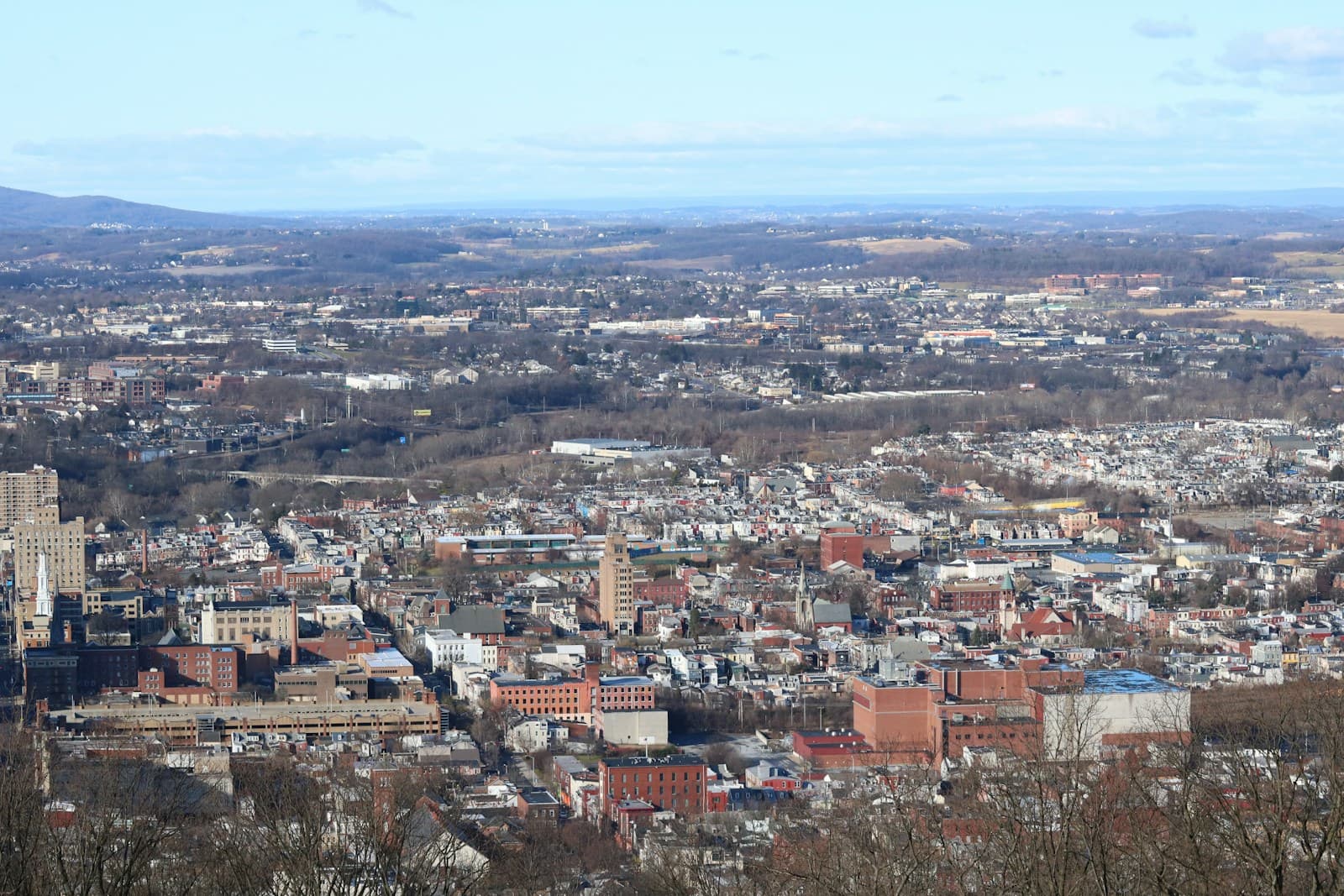
What Affects Rates in Reading
- Route 422 Corridor Accident Density: The heavily congested Route 422 corridor through Reading sees elevated accident rates during commute hours, particularly near the Penn Street and Broadcasting Road interchanges. High-risk drivers with at-fault accidents pay premium increases of 40–80% in areas with documented crash concentration, as carriers factor collision frequency into territory ratings.
- Urban Uninsured Driver Concentration: Reading's urban core shows higher uninsured motorist rates than suburban Berks County, typically 9–12% versus the statewide 7%. Drivers with violations should prioritize uninsured motorist coverage at 15/30 minimums or higher, as another collision—even not-at-fault—can trigger policy non-renewal for high-risk profiles.
- Winter Weather Claims Frequency: Reading averages 35–40 inches of snow annually, with Route 222 and Penn Avenue experiencing frequent ice-related incidents December through February. High-risk drivers carrying only liability see no weather-related protection; comprehensive coverage adds $30–$60/month but prevents out-of-pocket losses that can force coverage lapses.
- Non-Standard Carrier Market Depth: Reading's population density supports active non-standard carrier competition, with regional specialists writing DUI and SR-22 policies more competitively than in rural Pennsylvania markets. Drivers with recent DUIs should compare at least 3–4 non-standard quotes, as rate spreads between carriers can exceed $80/month for identical coverage.
- PennDOT Point Accumulation Enforcement: Pennsylvania suspends licenses at 6 points within 2 years; violations in Reading municipal court and Berks County Court of Common Pleas both report to PennDOT within 10 days. High-risk drivers near suspension thresholds face non-renewal from standard carriers even before formal suspension, making proactive non-standard carrier shopping critical before losing access.
Find out exactly how long SR-22 is required in your state
Coverage Recommendations
Cost estimates are based on available industry data and vary by driver profile. These are not insurance quotes.
SR-22 Insurance
Pennsylvania SR-22 is a certificate filed by your insurer proving you carry minimum liability (15/30/5). Reading drivers need continuous SR-22 filing for 3 years following DUI conviction or license restoration; any lapse triggers PennDOT notification within 24 hours and immediate re-suspension, requiring reinstatement fees of $70–$100 plus new SR-22 filing.
$25–$50 filing fee; coverage $140–$280/moEstimated range only. Not a quote.
Non-Standard Auto Insurance
Non-standard carriers in Reading specialize in DUI, multiple violations, and lapse histories that standard carriers decline. These policies cost 60–120% more than standard rates but offer the only market access for drivers with recent major violations; after 3 years of continuous coverage and no new incidents, drivers typically transition back to standard market with 30–40% rate reductions.
$140–$280/mo typical for liabilityEstimated range only. Not a quote.
Liability Insurance
Pennsylvania's minimum 15/30/5 liability covers $15,000 per person injured, $30,000 per accident, and $5,000 property damage—critically low for Reading's Route 422 and Penn Street corridors where multi-vehicle crashes are common. High-risk drivers should consider 50/100/50 limits ($20–$40/month additional) to avoid personal asset exposure in serious accidents that would compound existing violations.
State minimum: $90–$180/mo high-riskEstimated range only. Not a quote.
Full Coverage
Full coverage combines liability, collision, and comprehensive—essential for financed vehicles but expensive for high-risk Reading drivers at $220–$450/month. Drivers with older vehicles worth under $4,000 can drop collision/comprehensive and carry liability-only, reducing premiums by 40–50% while maintaining SR-22 compliance, though losing protection against theft and weather damage common in urban Reading.
$220–$450/mo for high-risk profilesEstimated range only. Not a quote.