What Affects Rates in Rapid City
- Black Hills Tourist Traffic Density: Rapid City sits at the gateway to Mount Rushmore and the Black Hills, generating heavy seasonal tourist traffic May through September that increases accident frequency. High-risk drivers face elevated collision coverage costs during peak tourism months when traffic volume on Routes 16 and 44 can triple compared to winter baseline.
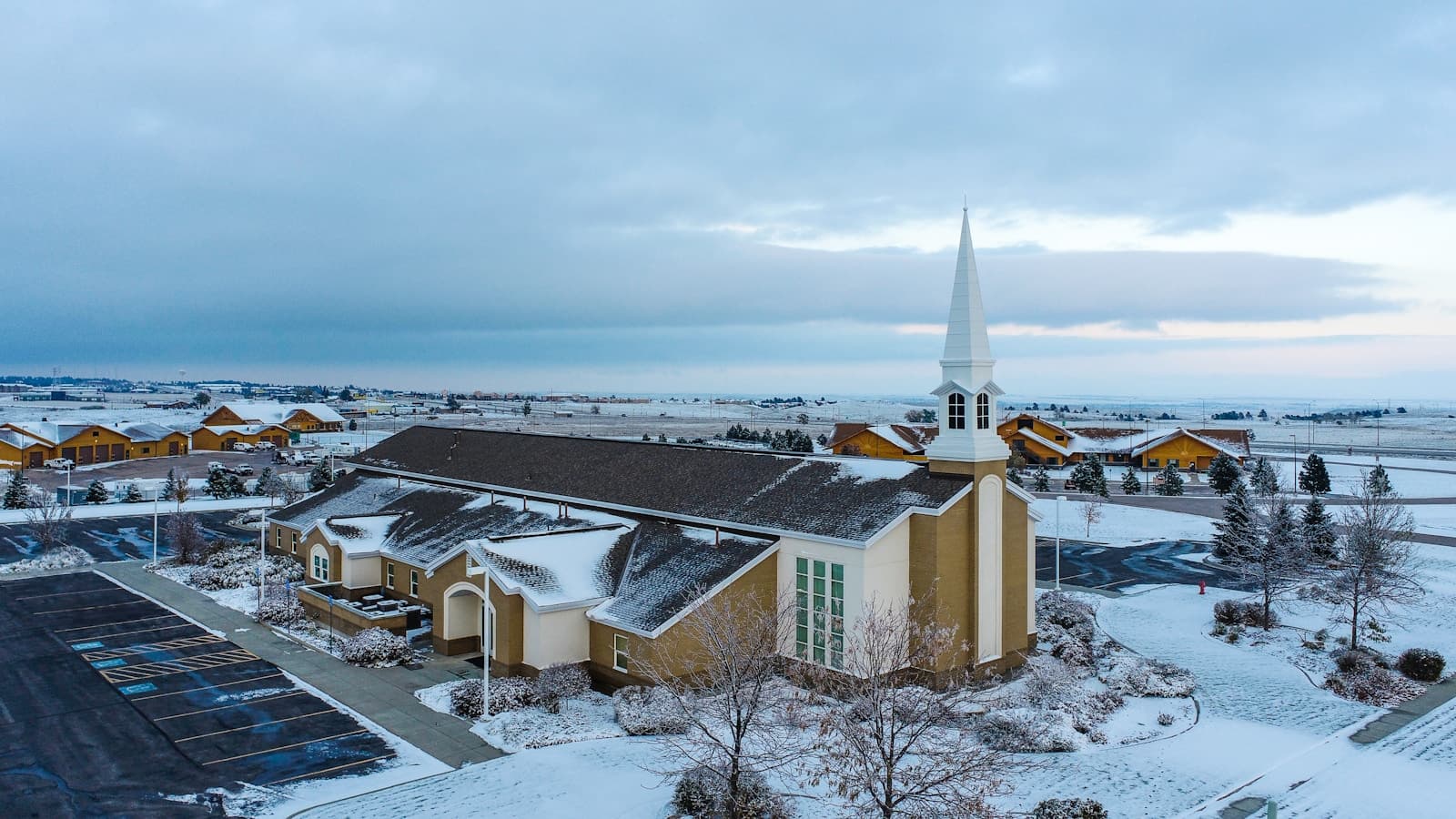
- Severe Winter Weather Conditions: Rapid City experiences an average of 51 inches of snow annually with frequent freezing rain and black ice conditions November through March. Insurers price comprehensive and collision coverage higher for drivers with violation histories due to elevated weather-related claim risk during extended winter months.
- Rural Highway Exposure: Many Rapid City residents commute on rural two-lane highways including SD-79 and I-90 where speed limits reach 80 mph and emergency response times are longer. Carriers apply higher risk multipliers to drivers with speeding violations or DUIs due to increased severity potential on high-speed rural corridors.
- Limited High-Risk Carrier Competition: Rapid City's smaller market size means fewer non-standard carriers maintain local agent networks compared to Sioux Falls. Drivers requiring SR-22 filing often work with regional carriers or direct writers, which can limit comparison shopping options and elevate rates by 15–25% compared to competitive urban markets.
- Pennington County Court Processing: DUI and major violation cases processed through Pennington County courts typically take 3–6 months from arrest to final disposition. This extended timeline means drivers may face lapses in coverage during case resolution, and any coverage gap triggers a new SR-22 filing period once reinstated, extending financial impact.
Find out exactly how long SR-22 is required in your state
Coverage Recommendations
Cost estimates are based on available industry data and vary by driver profile. These are not insurance quotes.
SR-22 Insurance
Required certificate proving continuous coverage filed with South Dakota Department of Public Safety for 3 years following DUI, suspension, or major violation. The SR-22 itself costs $25–$50 to file, but the underlying high-risk policy in Rapid City typically runs $150–$300/month depending on violation type and driving history.
$150–$300/mo for underlying policyEstimated range only. Not a quote.
Non-Standard Auto Insurance
Specialized policies from carriers that accept drivers with DUIs, multiple violations, or license suspensions who cannot obtain standard market coverage. In Rapid City, non-standard carriers account for most SR-22 filings and typically charge 2–3x standard rates during the high-risk period, with potential rate reductions after 2–3 violation-free years.
2–3x standard market ratesEstimated range only. Not a quote.
Liability Insurance
South Dakota requires minimum 25/50/25 limits ($25,000 per person/$50,000 per accident bodily injury, $25,000 property damage). High-risk drivers in Rapid City should strongly consider increasing to 50/100/50 or 100/300/100 limits given elevated lawsuit exposure after at-fault accidents, particularly on tourist-heavy corridors where out-of-state claimants may pursue larger settlements.
State minimum 25/50/25 required; higher limits recommendedEstimated range only. Not a quote.
Full Coverage
Combines liability, collision, and comprehensive coverage required by lenders for financed vehicles. Rapid City's winter weather and wildlife collision risk (deer, elk on rural highways) make comprehensive coverage particularly important for high-risk drivers who cannot afford out-of-pocket replacement costs, though collision deductibles of $1,000–$2,500 can reduce premium impact.
Adds $80–$180/mo to liability-only costsEstimated range only. Not a quote.