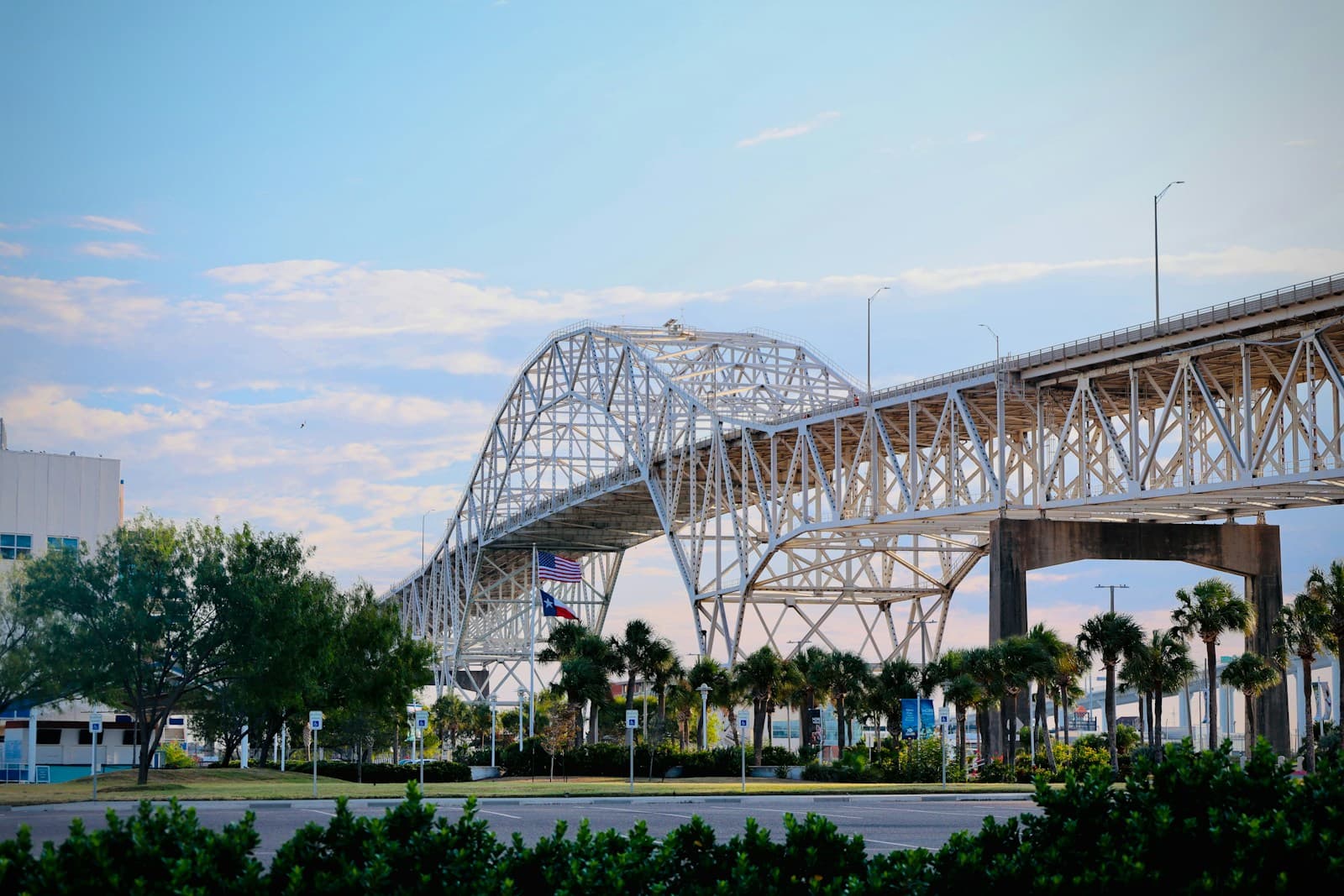
What Affects Rates in Corpus Christi
- Coastal Hurricane Exposure: Corpus Christi's Gulf Coast location increases comprehensive coverage costs for high-risk drivers, particularly during hurricane season. Carriers price this weather risk into base premiums before applying violation surcharges, creating higher starting rates than inland Texas cities.
- Port Area Traffic Density: Heavy commercial truck traffic around the Port of Corpus Christi and along Highway 181 increases accident severity risk. High-risk drivers in these corridors often face elevated liability rate multipliers compared to residential zones like Flour Bluff.
- Nueces County Uninsured Driver Rate: Coastal counties in Texas, including Nueces, typically show higher uninsured motorist rates than state averages. This drives up uninsured motorist coverage costs and makes full coverage significantly more expensive for drivers rebuilding after violations.
- Tourist Season Traffic Patterns: Summer beach traffic on Ocean Drive and near North Padre Island increases collision frequency seasonally. Carriers writing high-risk policies in Corpus Christi factor this seasonal risk into annual premiums.
- Texas DPS SR-22 Monitoring: Texas Department of Public Safety requires continuous SR-22 certification for the full 2-year period. A single day lapse triggers a notification to DPS and can restart the entire filing requirement, making payment consistency critical for Corpus Christi drivers.

Find out exactly how long SR-22 is required in your state
Coverage Recommendations
Cost estimates are based on available industry data and vary by driver profile. These are not insurance quotes.
SR-22 Insurance
SR-22 is not separate coverage but a certificate filed by your insurer proving you carry Texas minimum liability ($30,000/$60,000/$25,000). In Corpus Christi, non-standard carriers typically charge $25–$50 to file and maintain the SR-22, while the underlying high-risk policy costs $150–$350/month based on violation severity.
$25–$50 filing + $150–$350/mo policyEstimated range only. Not a quote.
Liability Insurance
Texas requires 30/60/25 minimum liability limits, but high-risk drivers in Corpus Christi should consider 50/100/50 or higher given coastal uninsured driver rates and port-area commercial traffic. Higher limits add $20–$60/month but provide critical protection after a violation when financial vulnerability is greatest.
State minimum: ~$150–$250/mo for high-riskEstimated range only. Not a quote.
Full Coverage
Full coverage combining liability, collision, and comprehensive runs $250–$450/month for high-risk Corpus Christi drivers. Hurricane risk elevates comprehensive premiums significantly compared to inland Texas markets, particularly for vehicles financed through coastal-area lenders requiring full coverage.
$250–$450/mo typical for high-riskEstimated range only. Not a quote.
Non-Standard Auto Insurance
Non-standard carriers specializing in DUI, suspended license, and SR-22 cases dominate Corpus Christi's high-risk market. These insurers accept drivers standard carriers reject, with pricing based on violation type, time since incident, and whether continuous coverage was maintained through the violation period.
$150–$350/mo depending on violationEstimated range only. Not a quote.