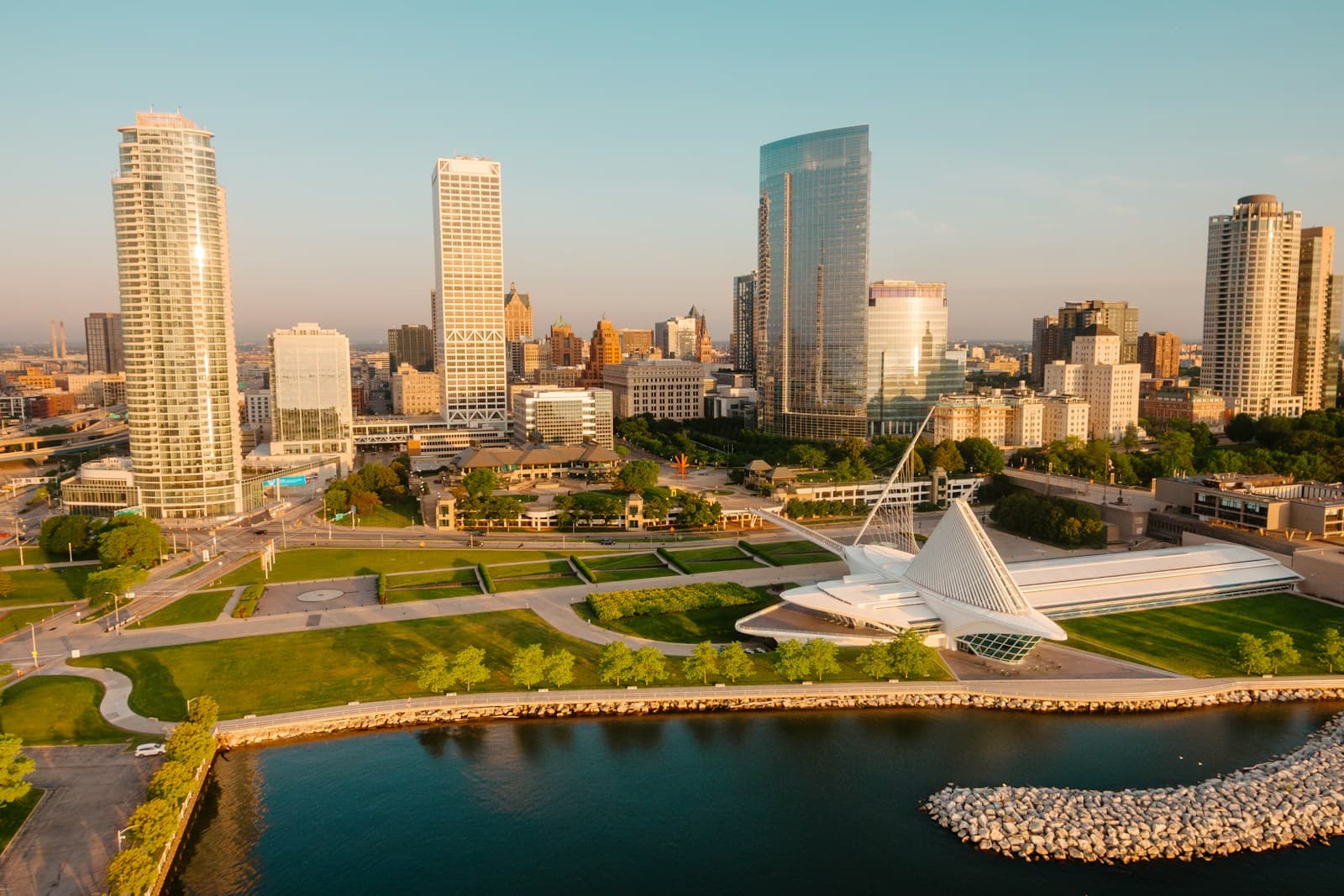
What Affects Rates in Milwaukee
- Winter Weather Claims Concentration: Milwaukee's ice and snow season from November through March creates elevated accident frequency, particularly on I-94 and I-43 corridors. High-risk drivers with prior at-fault accidents face steeper winter rate adjustments than clean-record drivers due to compounded risk assessment.
- Urban Corridor Collision Rates: Downtown Milwaukee, the Third Ward, and east-west routes along Wisconsin Avenue show higher collision density than suburban Wauwatosa or Shorewood. DUI and suspended license violations in these high-traffic zones often result in 15–25% higher premiums than violations occurring in lower-density areas.
- Uninsured Driver Concentration: Certain Milwaukee ZIP codes report uninsured motorist rates above the state average, increasing uninsured/underinsured motorist coverage costs for high-risk drivers who are already paying elevated liability premiums. Carriers writing high-risk policies often require higher UM/UIM limits than standard policies.
- OWI Court Processing Through Milwaukee County Circuit: Milwaukee County processes a high volume of OWI cases, and conviction timing affects when your SR-22 clock starts. Delays in court resolution can extend the period before you can file SR-22 and reinstate your license, during which you may face lapsed coverage penalties that further increase rates.
- Lake Effect and Fog-Related Visibility Claims: Milwaukee's proximity to Lake Michigan produces sudden fog and reduced visibility conditions, particularly in lakefront and Port of Milwaukee areas. Comprehensive claims for weather-related incidents compound high-risk driver profiles, especially if combined with at-fault collision history.

Find out exactly how long SR-22 is required in your state
Coverage Recommendations
Cost estimates are based on available industry data and vary by driver profile. These are not insurance quotes.
SR-22 Insurance
Wisconsin requires SR-22 filing for OWI convictions, reckless driving, driving with suspended license, and certain at-fault accidents. The SR-22 itself costs $25–$50 to file, but the underlying high-risk policy in Milwaukee typically runs $180–$350/month depending on violation severity and carrier.
$25–$50 filing fee + $180–$350/mo premiumEstimated range only. Not a quote.
Non-Standard Auto Insurance
Non-standard carriers in Milwaukee specialize in DUI, suspended license, and lapse cases that standard insurers decline. These policies often require full payment upfront or higher down payments, but they provide the liability coverage necessary to satisfy Wisconsin DMV reinstatement requirements.
$180–$350/mo for minimum liability; varies by violationEstimated range only. Not a quote.
Liability Insurance
Wisconsin's minimum liability limits are 25/50/10, but high-risk drivers in Milwaukee often face carrier-imposed minimums of 50/100/25 or higher due to urban collision frequency. Carrying only state minimums after a DUI or at-fault accident leaves you exposed to significant out-of-pocket costs in Milwaukee's dense traffic environment.
$120–$220/mo for 25/50/10; higher for increased limitsEstimated range only. Not a quote.
Full Coverage
Full coverage (liability + collision + comprehensive) for high-risk drivers in Milwaukee typically costs $280–$500/month. If you have a financed vehicle or lease, your lender will require it regardless of your violation history, and winter weather claims make comprehensive coverage particularly valuable in Milwaukee's climate.
$280–$500/mo for high-risk drivers with violationsEstimated range only. Not a quote.