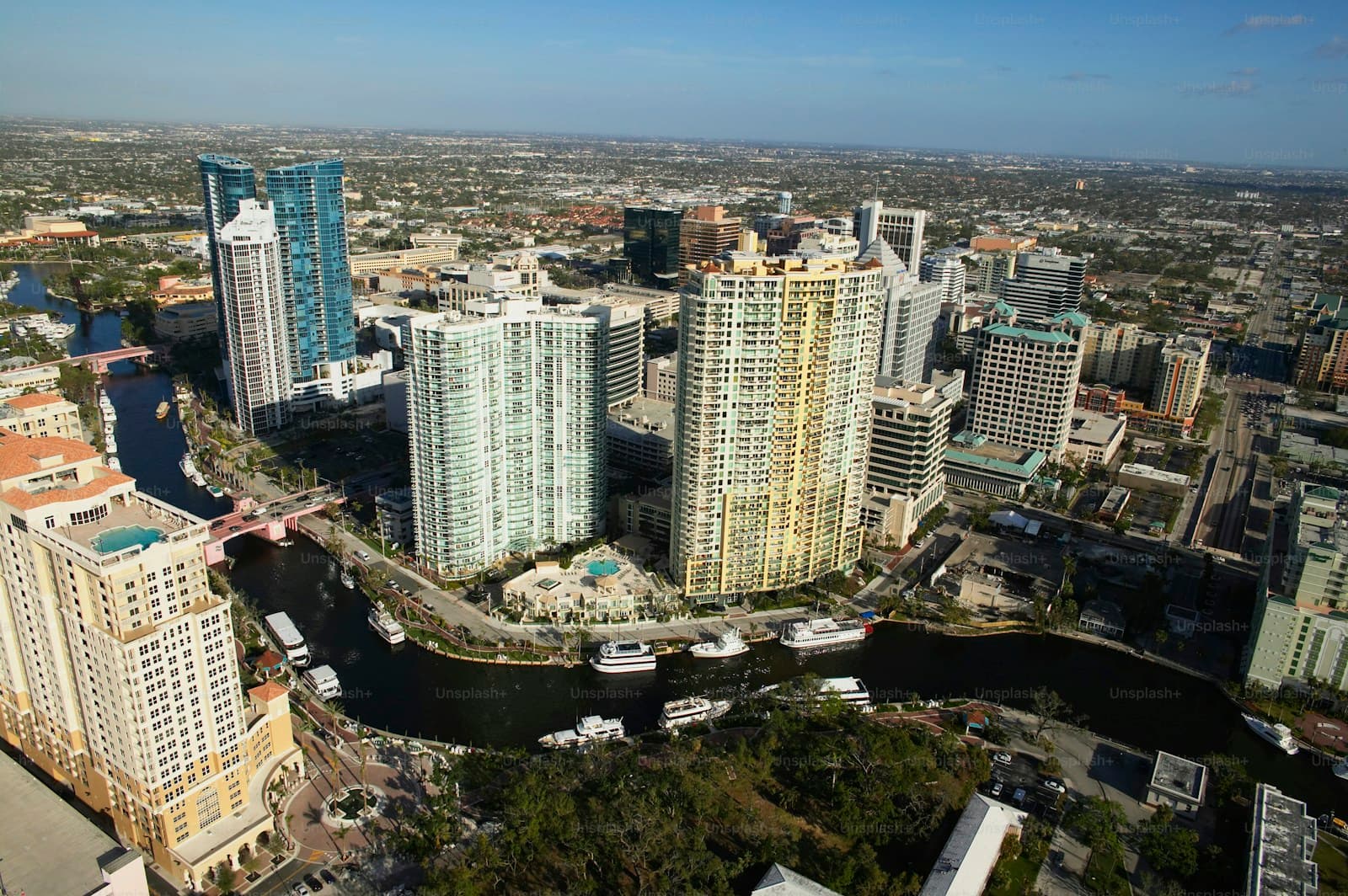
What Affects Rates in Fort Lauderdale
- I-95 and US-1 Corridor Traffic Density: Fort Lauderdale sits at the intersection of I-95 and US-1, two of South Florida's most congested routes, with daily backups during rush hours increasing rear-end collision risk. High-risk drivers with at-fault accidents on record face steeper rate increases here due to elevated accident frequency in these corridors.
- Broward County Court System Processing Times: DUI and reckless driving cases processed through Broward County courts can take 6–12 months to resolve, delaying SR-22 filing deadlines and extending the period you're quoted as high-risk. Carriers price this uncertainty into premiums until conviction and filing requirements are finalized.
- Coastal Flooding and Hurricane Exposure: Fort Lauderdale's proximity to the Atlantic and low elevation increase comprehensive coverage costs for high-risk drivers, as carriers factor flood and wind damage risk into full-coverage policies. Drivers with lapses or suspensions seeking full coverage pay 25–40% more than liability-only options due to this compounded risk.
- High Uninsured Motorist Rate: Florida's uninsured driver rate exceeds 20% statewide, with South Florida metro areas like Fort Lauderdale seeing concentrations at the higher end. High-risk drivers are already paying elevated premiums, and adding uninsured motorist coverage—recommended given collision frequency—adds $15–$30/mo to policies.
- Non-Standard Carrier Concentration: Fort Lauderdale has a robust non-standard insurance market serving high-risk drivers, including regional carriers specializing in SR-22 filings and post-DUI coverage. This competition can reduce premiums by 10–20% compared to smaller Florida cities with fewer carrier options, though rates remain elevated compared to standard-market pricing.

Find out exactly how long SR-22 is required in your state
Coverage Recommendations
Cost estimates are based on available industry data and vary by driver profile. These are not insurance quotes.
SR-22 Insurance
SR-22 is a certificate your insurer files with Florida DHSMV proving you carry minimum liability (10/20/10 in Florida, though 100/300/100 is recommended). In Fort Lauderdale, non-standard carriers file SR-22s electronically within 24–48 hours of policy purchase, with the filing fee typically $15–$50 one-time.
$15–$50 filing fee; premiums $200–$400/moEstimated range only. Not a quote.
Liability Insurance
Florida's minimum liability limits are 10/20/10, but high-risk drivers in Fort Lauderdale face significant exposure on congested roads like I-95 and should consider 100/300/100 or higher. Liability-only policies for SR-22 drivers typically cost $150–$300/mo depending on violation type and frequency.
$150–$300/mo for SR-22 driversEstimated range only. Not a quote.
Full Coverage
Full coverage (liability + collision + comprehensive) is essential if you're financing a vehicle or want protection against Fort Lauderdale's flood risk and high theft rates in certain neighborhoods. High-risk drivers pay $250–$450/mo for full coverage, with comprehensive adding $40–$80/mo over liability-only due to coastal exposure.
$250–$450/mo for high-risk driversEstimated range only. Not a quote.
Non-Standard Auto Insurance
Non-standard carriers in Fort Lauderdale specialize in DUI, suspended license, and multiple-violation cases that standard carriers decline. These policies often include flexible payment plans and same-day SR-22 filing, with premiums 30–50% higher than standard market but accessible when no other options exist.
30–50% above standard ratesEstimated range only. Not a quote.