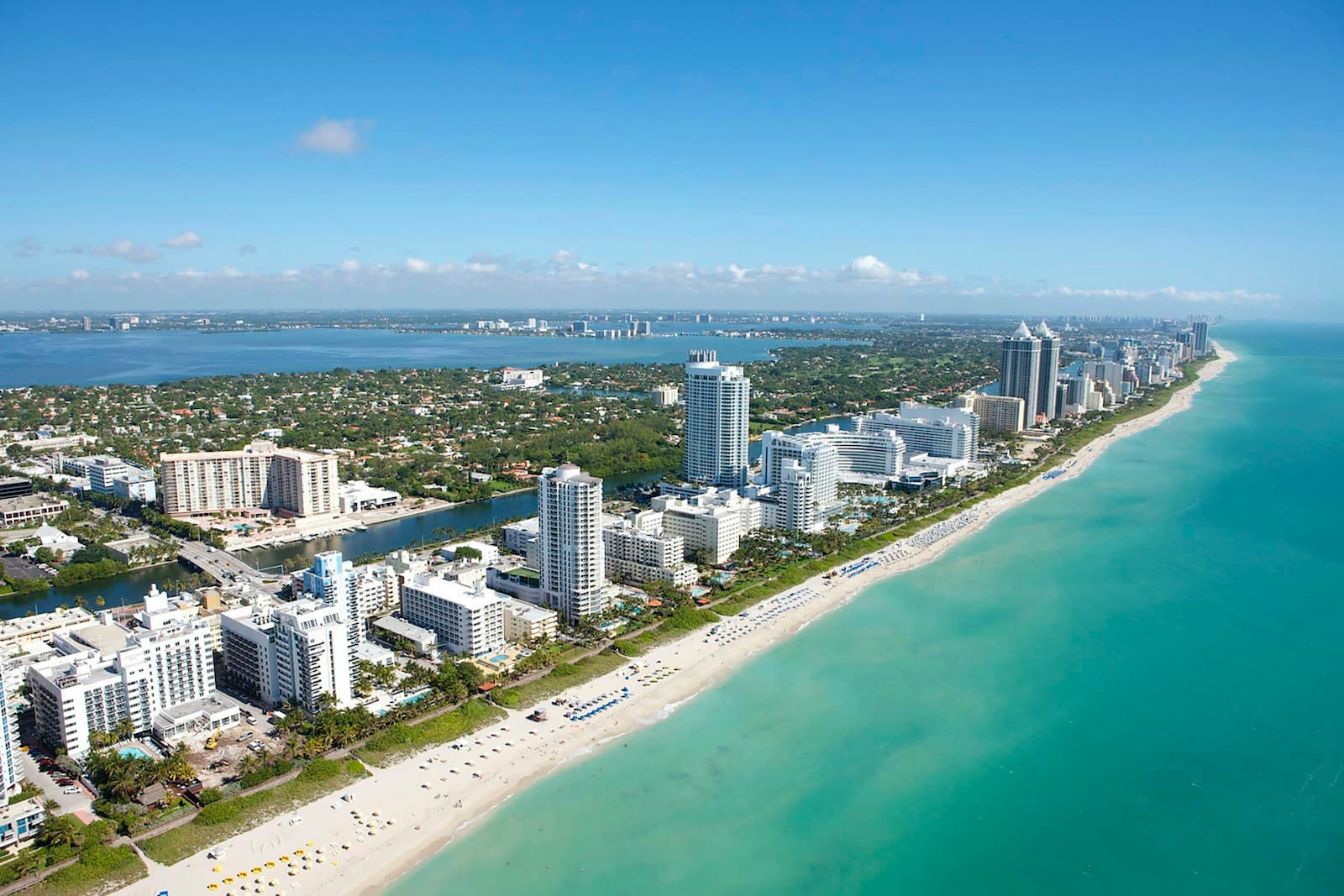
What Affects Rates in Miami
- High Uninsured Motorist Rate: Miami-Dade County consistently reports uninsured driver rates above the Florida state average, which typically ranges 20–26%. This concentration drives up uninsured motorist coverage costs and increases risk pools for high-risk policies, elevating premiums for drivers already paying post-violation rates.
- Dense Urban Traffic Patterns: Miami's congested corridors—I-95, the Palmetto Expressway, US-1—see high accident frequency during peak commute hours. Carriers price SR-22 policies higher in zip codes with elevated crash data, and Miami's urban core reflects that premium load compared to less-congested Florida markets.
- Tourism and Rental Vehicle Volume: Miami's tourism economy floods roadways with unfamiliar drivers and rental vehicles, increasing unpredictable driving behavior. High-risk drivers face compounded premiums when local claim frequency is elevated by transient traffic patterns, especially in downtown and beach zones.
- Hurricane and Flood Exposure: Miami's coastal location and hurricane risk affect comprehensive coverage costs, which many high-risk drivers carry to protect financed vehicles. Carriers factor weather-related claim history into underwriting, and Miami zip codes in flood zones or evacuation routes see higher full-coverage premiums.
- No-Fault PIP Requirement: Florida mandates $10,000 Personal Injury Protection regardless of fault. For high-risk drivers, PIP adds a base cost layer before any liability or SR-22 surcharge, and Miami's elevated medical costs and PIP fraud history push that coverage higher than in other Florida metros.
Find out exactly how long SR-22 is required in your state
Coverage Recommendations
Cost estimates are based on available industry data and vary by driver profile. These are not insurance quotes.
SR-22 Insurance
SR-22 is a certificate your insurer files with the Florida DMV to prove you carry at least state-minimum liability: $10,000 bodily injury per person, $20,000 per accident, $10,000 property damage. In Miami, the filing itself costs $15–$25, but the underlying high-risk premium—driven by your violation—pushes total costs to $200–$450/month depending on the severity of your DUI, suspension, or lapse.
$200–$450/mo typical in MiamiEstimated range only. Not a quote.
Liability Insurance
High-risk drivers in Miami must carry Florida's 10/20/10 minimum liability limits, but many face higher requirements from lenders or court orders. Miami's dense traffic and high uninsured driver rate make bodily injury claims more frequent, so carriers price liability coverage aggressively for drivers with at-fault accidents or DUIs on record.
Included in high-risk base premiumEstimated range only. Not a quote.
Full Coverage
Full coverage—liability plus collision and comprehensive—is typically required if you finance or lease a vehicle in Miami. High-risk drivers pay elevated collision premiums due to Miami's accident frequency, and comprehensive costs rise with hurricane exposure and theft rates in certain zip codes, pushing total monthly premiums well above $300 for many drivers.
$300–$600+/mo for high-risk driversEstimated range only. Not a quote.
Non-Standard Auto Insurance
Non-standard carriers specialize in high-risk policies for drivers with DUIs, suspensions, or multiple violations. In Miami, these insurers—often regional or specialty operators—offer SR-22 filing and flexible payment plans, but charge higher premiums to offset risk. Shop multiple non-standard quotes; rate spreads can exceed $100/month between carriers for the same coverage.
$200–$500/mo depending on violationEstimated range only. Not a quote.